


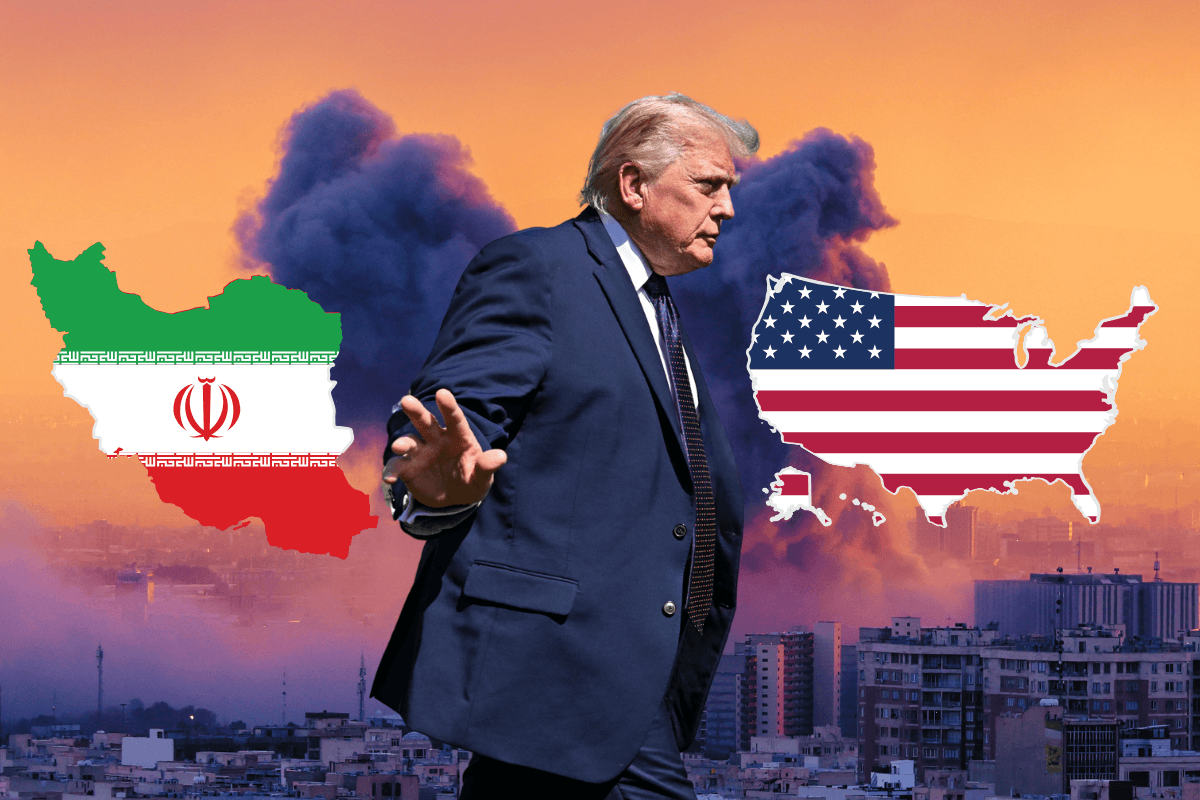



The US–Iran Memorandum of Understanding (MoU) offers a pause, not peace. Our experts warn that the next 60 days will decide whether this fragile ceasefire becomes a settlement or slips back into conflict. With nuclear, sanctions, and proxy issues unresolved, Europe faces a risky yet strategic opening to reassert its influence in the Gulf and protect vital energy corridors.
Read EPC experts’ takes below:

"While the ceasefire reduces the immediate risk of a wider regional war, it is fragile and could quickly unravel. Thorny issues such as nuclear restrictions, sanctions, Israel-Iran tensions, and Iranian-backed armed groups remain unresolved. The next 60 days of negotiations are likely to determine whether this becomes a lasting settlement or merely a pause in the conflict. The conflict has highlighted the risks of underestimating Iran’s ability to project influence across the region and disrupt key economic and security interests. For Europeans, it will be crucial to double down on efforts to further reduce vulnerability to geopolitical disruptions in critical trade and energy corridors."
- Amanda Paul, Deputy Head of Europe in the World Programme and Senior Policy Analyst

"Any agreement that reopens the Strait of Hormuz is better than a war that closes it. But this is not a peace deal yet. Instead, it’s a 60-day attempt to move the conflict to the negotiating table while the nuclear question, sanctions relief, and Lebanon remain unresolved. Europe should welcome the pause but not mistake it for stability. For Europe, this means a fragile window of energy relief that could evaporate into another regional war. The lesson is brutally simple: when critical chokepoints become instruments of economic warfare, those without leverage end up paying the bill."
- Chris Kremidas-Courtney, Senior Visiting Fellow, Europe in the World Programme
"The US-Iran ceasefire agreement gives Europe a brief but risky opportunity to regain a foothold in the Gulf region by providing naval forces, in cooperation with Gulf Arab states, to help secure freedom of navigation in the Strait of Hormuz. However, this can only be done in cooperation with Iran, which means talking to Tehran’s hardline rulers and potentially having to ease sanctions despite their human rights abuses. This will test whether European countries are willing to put their interests before their values."
- Paul Taylor, Senior Visiting Fellow, Europe in the World Programme

"The Memorandum of Understanding between the US and Iran is a positive development, yet major questions about a long-term deal remain open. Without a comprehensive agreement that brings on board the US, Iran and the Gulf States, uncertainty over potential escalation against the Gulf States and recurring disruptions over the Strait of Hormuz will persist. The Israel-Hezbollah war will continue to pose a significant challenge, alongside a risk of a potential deeper rift in US-Israel ties. Looking ahead, the US role and involvement in reshaping the Gulf security environment will be paramount. For Europeans, this could represent an opportunity to play a more active and strategic role in the region and build transatlantic bridges."
- Mihai Sebastian Chihaia, Policy Analyst, Europe In the World Programme
For media enquiries or interview requests with EPC experts on the topics discussed above, please contact Rajnish Singh (r.singh@epc.eu) or send your request to media@epc.eu.
The support the European Policy Centre receives for its ongoing operations, or specifically for its publications, does not constitute an endorsement of their contents, which reflect the views of the authors only. Supporters and partners cannot be held responsible for any use that may be made of the information contained therein.

