About us
The European Policy Centre (EPC) is an independent, not-for-profit think tank dedicated to fostering European integration through analysis and debate, supporting and challenging decision-makers at all levels to make informed decisions based on evidence and analysis, and providing a platform for engaging partners, stakeholders and citizens in EU policy-making and in the debate about the future of Europe.
The EPC was launched as a think tank in 1996. In 2003, the EPC was established as an international not-for-profit organisation under Belgian law.
The EPC’s articles of association and subsequent amendments are available online here.
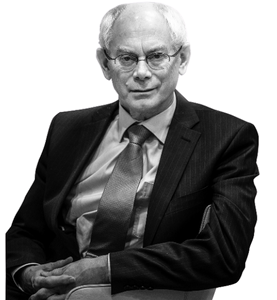
Herman Van Rompuy is the Honorary President of the EPC.
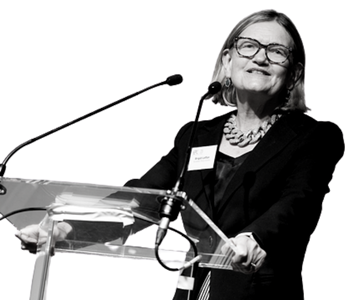
Brigid Laffan is the current President of the EPC. She is also President of the Strategic Council.
Strategic Council
The Strategic Council brings together thought leaders and experts from diverse backgrounds and nationalities. They bring fresh insights and forward-looking perspectives on the major challenges facing the European Union. Once a year, they meet with our analysts to reflect on the strategic priorities of the Union and their implications for the work and strategic direction of the European Policy Centre.
Governance
The Governing Board is responsible for the managerial oversight of the European Policy Centre with all the associated powers. Day-to-day management is delegated to the Chief Executive, who acts as the EPC’s Legal Representative and is accountable to the Board. The General Assembly meets once a year to formally approve the annual accounts and adopt the budget for the year ahead, in line with Belgian law.
Partners
The EPC works with partners throughout Europe and beyond that share similar objectives. We engage with other think tanks and policy institutes in the member states, exchanging ideas and producing joint policy recommendations. The EPC also has strong links to foundations that share the principles, values and basic objectives of the EPC and has a long-standing strategic partnership with the King Baudouin Foundation.
350 + Members
Our membership is drawn from a broad spectrum of organisations, representing the main stakeholders concerned with EU affairs at the local, regional national and international level. Members actively contribute to our events, workshops, task forces and roundtables. They bring a multi-stakeholder dimension to our activities and lend legitimacy to our recommendations.
RESEARCH
Our analysts connect policy agendas through a multi-disciplinary approach. Each of our programmes builds on solid expertise and forward-thinking to provide insight into EU politics and develop practical policy proposals.
Each year, the Governing Board adopts an annual work programme for the coming year, based on a proposal from the management team following discussions in the Strategic Council. The EPC works on the basis of a three-year strategic plan.
PUBLICATIONS
Our publications address the major challenges facing the European Union and look at the long-term trends underpinning EU policymaking. They include recommendations that contribute to the debate, help to inform the policy agenda and take European integration forward.
EVENTS
The EPC organises stimulating and timely policy debates on the issues that matter with the people who matter. By connecting our research programmes to these multi-stakeholder events, we help to raise awareness, ensure policy relevance and foster innovative thinking.
The EPC is independent of the EU and national institutions and of all vested interests. It is non-partisan, focussing on policy solutions without political affiliation.
The EPC aims to promote coherent, holistic and strategic policymaking by making links between and across different policy areas and policymakers, connecting policies across silos in a multi-disciplinary way. It focuses on long-term sustainable solutions, especially in areas of critical importance for the future of European integration, Europe's role in the world and people's well-being. It does this by analysing emerging trends and developments that can inform and improve current and future policies and strategies, taking account of the global environment which is impacting the EU and its member states.
The EPC is committed to providing a work environment in which all staff are treated equally regardless of gender identity, age, disability, race, nationality, ethnicity, civil status, religious convictions and beliefs, sexual orientation, family composition as well as geographical location and socio-economic background. Our organisational culture and values reflect this commitment and provide an umbrella of shared values and behaviours that guide how we aspire to work together to create a shared sense of purpose and identity. The organisational culture shapes the kinds of leadership style that the EPC aspires to and provides the framework around which management and planning decisions are taken, and builds accountability for them. The EPC has adopted 10 values that outline our organisational culture.
The EPC works at the centre of European and global policymaking providing its members and the wider public with rapid, high-quality information and flexible analysis of the EU and global policy agenda. It focuses on providing implementable, timely, flexible and relevant policy recommendations, taking a critical but constructive approach. It champions new ideas and solutions, as well as new ways of engaging with and involving stakeholders and citizens.
The EPC aims to promote a balanced dialogue between the different constituencies of its membership, spanning all areas of economic and social life, including companies, professional and business federations, trade unions, diplomatic missions, regional and local bodies, as well as NGOs representing different civil society interests, foundations and religious organisations. The EPC recognises that the European integration process requires effective multi-level governance at international, European, national and regional/local levels and aims to reach citizens and national/regional stakeholders who are not regularly engaged with the EU.
The EPC is committed to building partnerships to enable transnationalised debate on key policy issues and ensure a broad-based, balanced approach. It works with think tanks and policy institutes in the member states, exchanging ideas and producing joint policy recommendations. By reaching out to experts beyond Brussels, the EPC is helping bridge the gap between policy- and decision-makers at the EU level and civil society.
As a signatory of the STEP Accord for ethical policy advice, the EPC is committed to conducting its work ethically, responsibly, and with integrity. This includes the use of high-quality research, analysis and evidence, transparency as to how the high quality of evidence is assured and independence and integrity of the EPC and our analysts. The EPC sees these principles as conditional to reliable and ethical policy advice and, therefore for evidence-based policy-making. The EPC Governing Board adopted the STEP Accord in June 2021.
May 5
December 7
January
December 5
March
March 11
March 12
September
February
June 23
October 13
November 22
March 1
April 4
October 24
March 13
November 10
March 11
April
January 25
March 15
March 17
December 1
March 30
The European Policy Centre is established
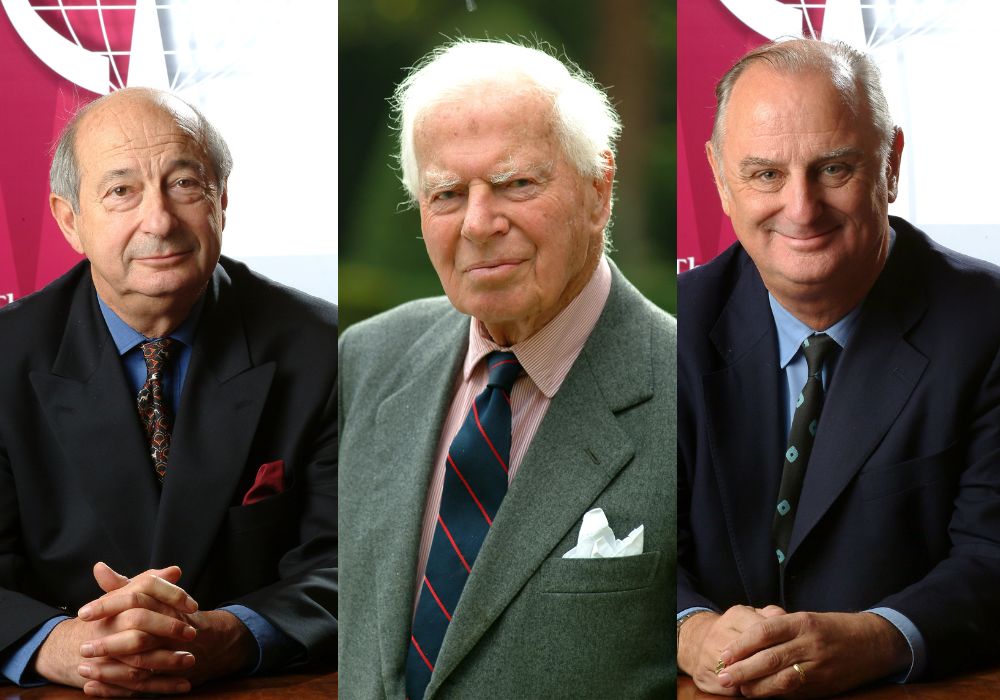
The European Policy Centre is legally established as a think tank by Stanley Crossick, John Palmer and Max Kohnstamm in the early winter days of 1996.
Its first premises are above the Kitty O'Shea pub in the heart of the European quarter.
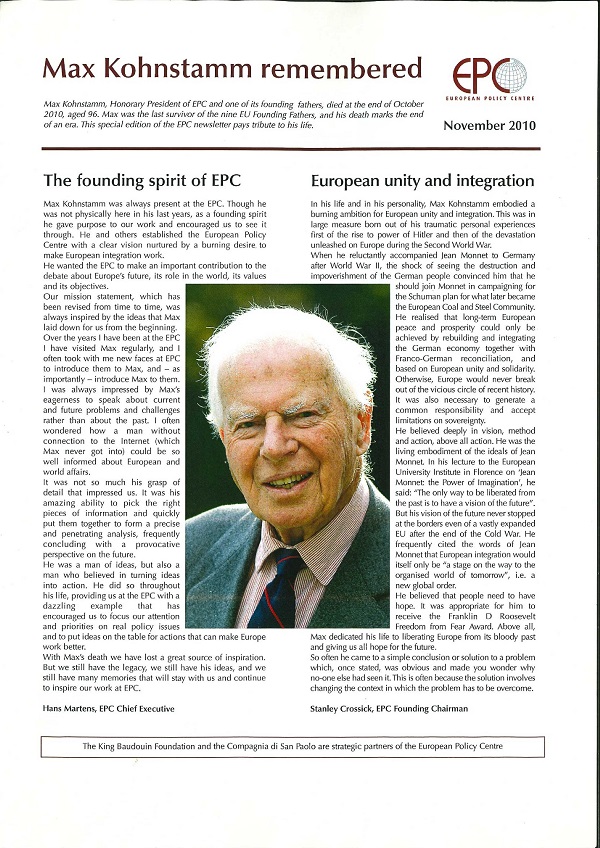
Max Kohnstamm was one of the founding fathers of the European Union. A Dutch historian and diplomat, Max was a close collaborator of Jean Monnet. Together they campaigned for the Schuman Plan, which led to the creation of the European Coal and Steel Community.
Max’s strong ambition for European unity and integration originated from his traumatic experiences during WWII. Having witnessed destruction and impoverishment, he was convinced that Europe needed to break the cycle of wars. Like Monnet, he believed that European integration was “a step on the road to a new world order”.
Stanley Crossick was a successful lawyer and lobbyist whose work focused on European integration and business policy at EU level. Stanley’s passion for European Affairs was paramount throughout his life. Later in life, he developed a strong interest in EU and China relations and became a senior researcher for the Brussels Institute of Contemporary Chinese Studies.
John Palmer is the former European editor of The Guardian. He is an experienced broadcaster in English and French and the author of three books on European affairs. At the EPC, he worked as the think tank’s Political Director until 2005 and is now a member of its strategic council.
The EPC gets to work
The EPC gets its real start in 1997. In May the EPC publishes one of its first papers: 'A threat to Europe's power to act in global trade: The need to amend Article 113'.
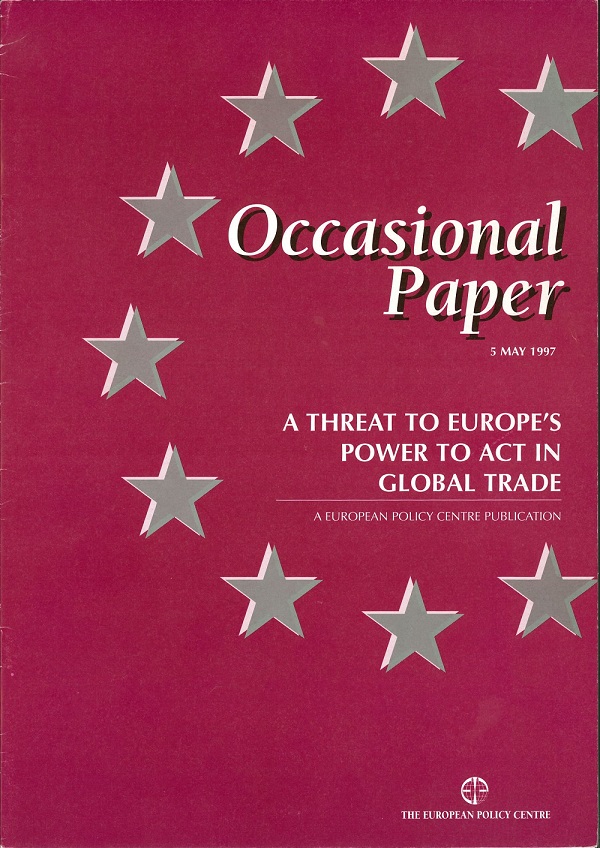
Making sense of the European Union
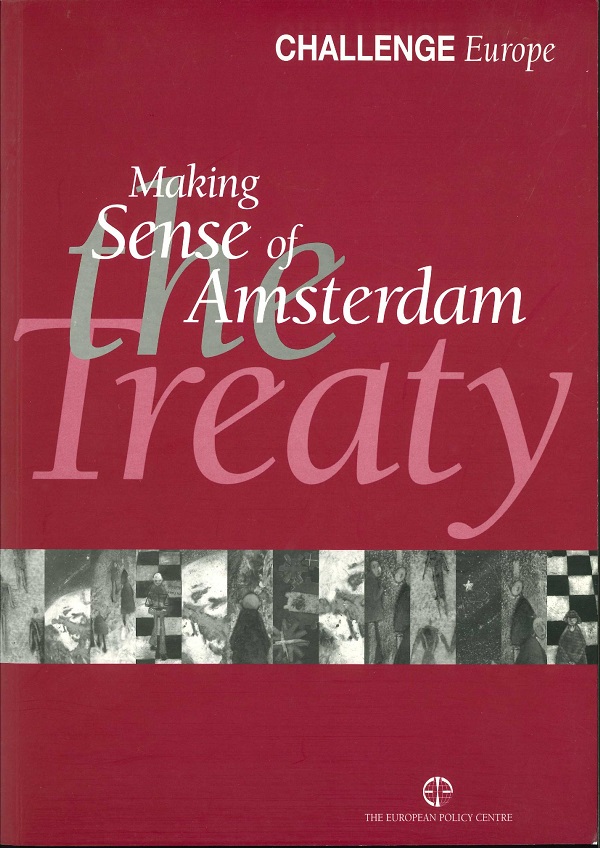
Some of the first EPC activities include the publication of the "State of the Union message" and "Making sense of the Amsterdam Treaty" (which was signed that year), and the first-ever Post-Summit Briefing.
1st EPC Breakfast Briefing
EPC Breakfast Briefings, usually featuring a high-level decision-maker or power broker, quickly become a staple of the Brussels event circuit. They remain enormously popular to this day, attracting audiences of up to 400 people.
In the meantime, Stanley Crossick becomes Chairman of the EPC, while Hywel Ceri Jones, founder of the Erasmus programme, becomes Chairman of the Executive Board.
You can read here how he recalls those early days at the EPC:
"When I announced my decision in September 1998 to retire early from my post at the European Commission, Stanley Crossick urged me to be intimately associated with the EPC and help build its development potential. I was happy to do so at the same time as planning my return to Wales to act as the European Advisor to the Secretary State for Wales in the preparation of Wales for devolution, and in particular therefore for the Welsh Government’s European responsibilities and opportunities.
I already knew of Stanley’s strong resolve to transform his successful consultancy operation in Belmont to create a European think tank dedicated to serve as a sounding board for constructively critical analysis of the European integration process and of the EU’s strategy of development. Stanley’s choice of the initial location for the EPC team in the offices above the Kitty O’Shea Irish pub, close to the heart of the EU institutions, reflected his wish for the Centre to be seen as a convenient place for EU and other officials, as well as for EPC members, to be able to “drop in” for informal discussions. He saw this as an essential foundation for the Centre’s effective networking and outreach, for which Stanley was a consummate activist.
Knowing that both Max Konstamm and John Palmer were deeply involved with Stanley in the creation of EPC, I was very happy to be involved with them at this formative stage, hoping to draw on my special interest and experience in the social, educational and cultural dimensions of the integration process. Max played an especially crucial role in these early brainstorming discussions which led to the formulation of the EPC’s role and mission. He had dedicated his lifetime to the cause of European integration and to the promotion of European and International strategies for peace and reconciliation, arguing consistently for the pooling of member state sovereignty to address more effectively issues of European and global concern.
Max drew on his considerable experience as a former close collaborator of Jean Monnet and as first Secretary to the High Authority governing the European Coal and Steel Community. His inspiring and challenging insights into the European integration process in its global context strongly influenced the formulation of EPC’s distinctive mission to focus on providing lucid analysis of the integration challenges and of the EU’s developing architecture and the balance of its policy thrusts in its development strategy. I shall never forget Max’s constant reminder at our meetings that “the European project was a step on the road towards a new global order”.
Looking back now at my six years as chairman of EPC, which sadly also coincided with a period of Stanley’s serious ill health, I vividly recall the special partnership developed between John Palmer and myself. John was an experienced Guardian journalist, well known and widely respected in the Brussels milieu of journalists who focussed on European matters. John placed his considerable experience behind the design and development of EPC’s communications efforts and its outreach. Together, John and I then drove the push to expand EPC’s membership and support for its work, in particular so as to build and extend its strong multi-constituency membership, deliberately including representatives of European civil society and sub-national and regional authorities, alongside the host of national embassies and businesses which had been increasingly attracted to engage with and draw on the EPC’s work.
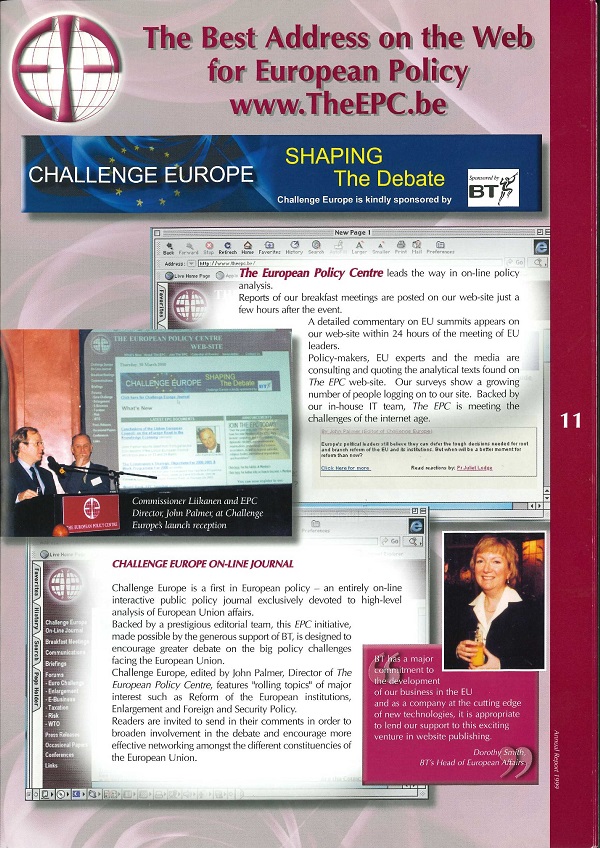
John was responsible for the launch of the EPC’s interactive, online public policy journal, Challenge Europe, which he spearheaded so as to raise the quality and depth of public debate about the key policy issues facing the EU. As its Editor-in-Chief, he made sure that the journal, and through it the EPC, were actively engaged with senior figures in the EU institutions, international political leaders and other well known and reliable policy analysts. John’s post European Summit briefings proved extremely popular, not only in the Brussels community but also as a result of the rapidly available, readable and insightful communiques which were then exploited around the world in providing intelligence on EU politics and policies. I have no doubt that this contributed in a significant measure to the growing reputation of the EPC as a trusted and valued source of commentary on EU affairs.
I am pleased to recall that I was the driving force in helping to build the strategic partnership agreements established between the Centre and the King Baudouin and the Compagnia San Paolo Foundations, two of the leading and influential European Foundations with important networks of connections internationally in the foundation world. The financial and other support which these Foundations provided at that time enabled the EPC to extend and deepen its coverage of key policy questions, and to this end to strengthen the core team of policy analysts working within the Centre. The personal commitment and backing of Luc Tayart de Borms and Piero Gastaldo, the two Foundation heads involved, proved crucial in brokering these important agreements. The EPC owes them both a great debt of gratitude for making possible the investment of their foundations in these invaluable strategic partnerships which gave a new momentum to the work of the Centre. The lasting partnership to this day with KBF continues to be a major factor in the dynamic development of the Centre and its ambitions on the European stage.
During my period as Chairman, I also benefited greatly from the constant encouragement and support of former Commissioner Peter Sutherland who served as President of the EPC’s Advisory Council. I had previously been closely involved with Peter Sutherland in the Commission in the development and negotiation of the EU’s Erasmus and Comett Programmes. I appreciated his strategic advice and his willingness to commend the important work of the EPC to his wide circle of international contacts garnered throughout his illustrious career in Europe and at the WTO.
I wish to pay tribute to the dedicated teamwork and contributions of EPC colleagues during those formative years, and was happy on my retirement as chair to know that former Commissioner Antonio Vitorino as new chair and Hans Martens as Chief Executive would drive the next phase of EPC development. I applaud the leadership of EPC since that time which has successfully continued to build the reputation of the Centre, ensuring that the EPC remains firmly at the cutting edge of public policy deliberations about the functioning of the EU and its place in the world.
In preparing these notes, I have re-read the different Challenge Europe issues, notably the one on the Mission and Values of the Europe We Need, and the one dedicated in issue 9 of April 2003 to Repairing the Damage: European Disunity and Global Crisis, which addressed the challenges which the war in Iraq presented to Europe and the world. These texts can, I believe, continue to inspire the reflections of the current EPC leadership as it addresses the present bitter clashes with Vladimir Putin, and the appalling tragedy of the unacceptable invasion of Ukraine, and the implications for the future of the EU and of the European Continent, of NATO and of the UN.
On the occasion of this celebration of the Centre’s 25th anniversary, I send EPC and all colleagues working there my warmest wishes for the success of their work in formulating courageous and thoughtful positioning of the EPC on the next phase of European development, especially on the cross-national systems and alliances so urgently required to secure peace and stability in our dangerous and interdependent world.
Happy Anniversary EPC and best wishes for your future development."
Hywel Ceri Jones
08/03/2022
The EPC launches its website
As a testament to its forward-looking attitude, the EPC was one of the first think tanks in Brussels to have its own website.
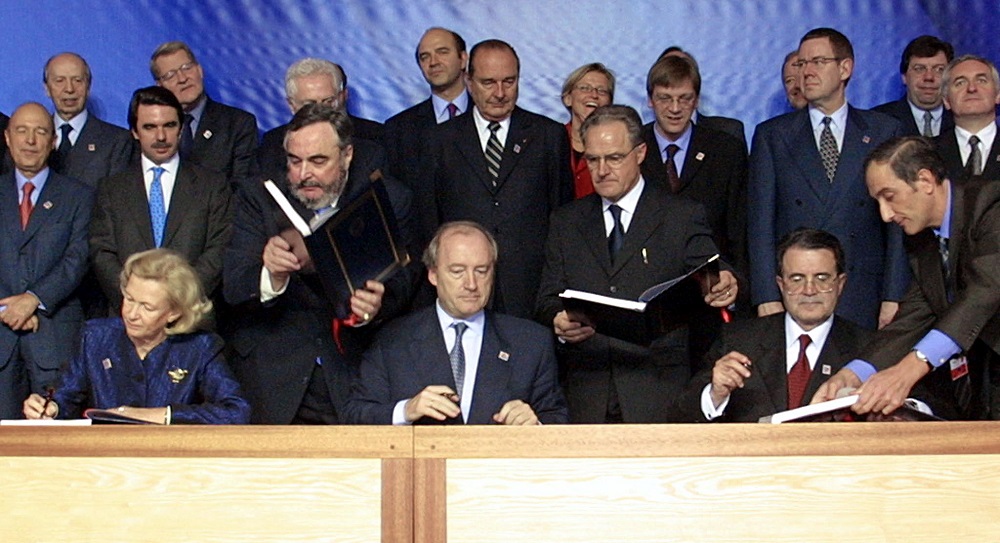
The Intergovernmental Conference in Nice
In December 2000, the Intergovernmental Conference (IGC) in Nice comes to an end. The Conference reaches an agreement on institutional questions and other focal points, such a the distribution of seats in the Parliament, the monitoring of fundamental rights and EU values, the need for more flexible agreements for enhanced cooperation, and the strengthening of the EU judicial system.
The EPC's involvement in the Conference is described in the 2000 Annual Report:
"The Centre played an active role in seeking to influence the decisions taken at Nice and received considerable praise for the quality of its contributions. Despite - and because of - Nice the European Union continues to face huge political, economic and social challenges. The Centre therefore remains active in promoting and participating in the public policy debate on the key issues and ensures that the work done provides added value".
(Photo by Gerard Julien/AFP)
The Europe we need
The Europe We Need is the major policy initiative in the first three years of the EPC's existence.
The initiative makes an important contribution to the European integration process by advising policymakers and leading them to the next stage of the Union's enlargement in 2004.
The Europe We Need project focuses on four major policy areas: legitimacy and efficiency for EU institutions; citizenship rights and responsibilities; growth and cohesion in an enlarged Union; and the EU and global governance.
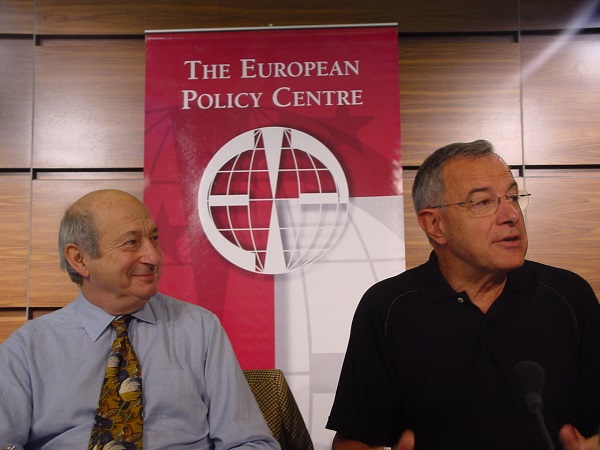
In 2003 the TEWN team works on the Convention on the Future of Europe. The team holds two major conferences to assess the Convention's progress and its Constitutional Treaty. These events feature high-level representatives such as Valery Giscard d'Estaing, the Convention President, Vice President Jean-Luc Dehaene, Dutch government representative Gijs de Vries, and MEP Alain Lamassoure (in the picture with Stanley Crossick).
The King Baudouin Foundation becomes the EPC's strategic partner
The EPC forms a strategic partnership with KBF, a Belgian philanthropic organisation, to work towards common goals: supporting more democratic and effective forms of governance; strengthening the sense of citizenship and responsibility among Europeans; and bringing decision-makers and civil society closer together in the construction of Europe.
EPC founder John Palmer retires
One of the EPC's founders, and former European editor for The Guardian, John Palmer, retires as Political Director.
In the interview below, you can hear him talk about how the idea of the European Policy Centre as an independent think tank came to be, what it was like working at "the end of history" and on the cusp of a new communication revolution, and how he sees the future of the EPC.
Gaining momentum
Compagnia di San Paolo becomes the EPC's second strategic partner (until 2014).The Compagnia is one of the largest private foundations in Europe, promoting cultural, economic and civic development.
As partners, the EPC and Compagnia di San Paolo create a joint programme of activities to strengthen collaboration between policymakers and researchers in Brussels and Italy. Together, they work on four special areas: European democracy and governance; Europe in the world and global governance; the European economic and social model(s); integration and immigration.
Building bridges
The EPC greatly values reaching out and building relationships with other think tanks and civil society organisations in Brussels and beyond. Throughout the years, the Centre has participated in several joint initiatives.
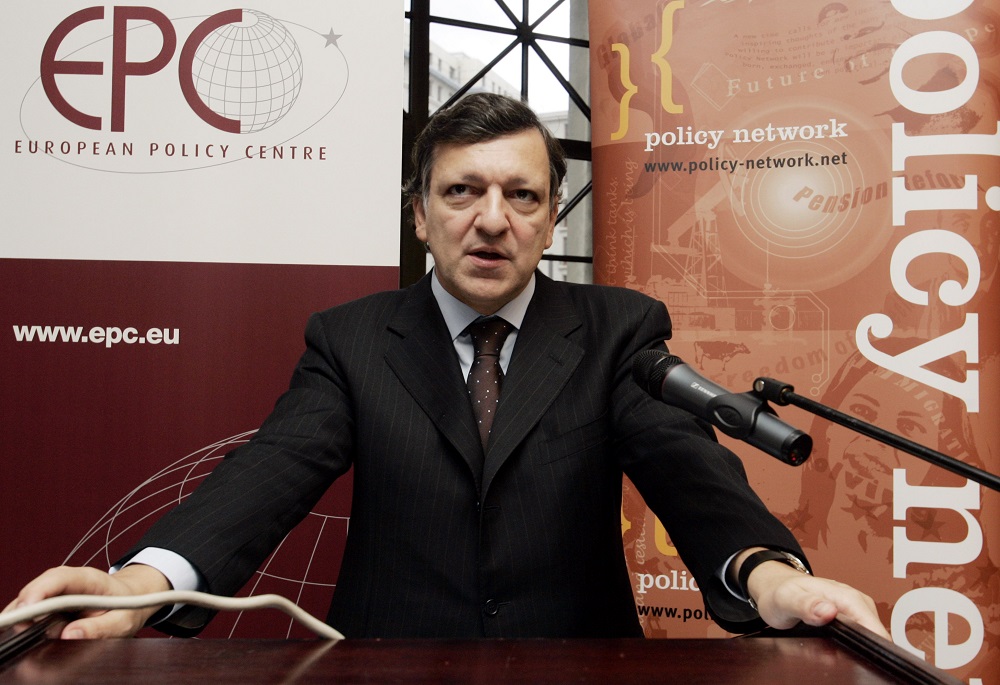
In December 2006, the EPC host a dialogue in cooperation with the think tank Policy Network. José Manuel Barroso, former President of the European Commission, attends the event.
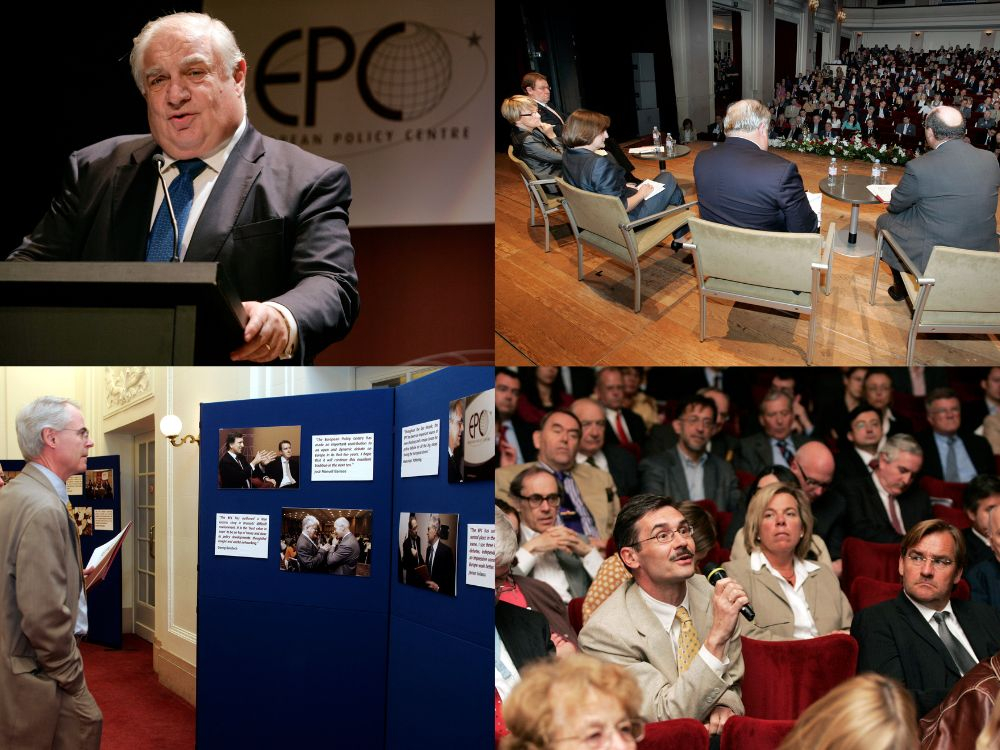
A decade at the cutting edge of EU policy-making
The EPC celebrates its 10-year anniversary.
"The European Policy Centre has made an important contribution to an open and dynamic debate on Europe in the first ten years. I hope that it will continue this excellent tradition in the next ten."
José Manuel Barroso, then-President of the European Commisssion
Stanley Crossick retires
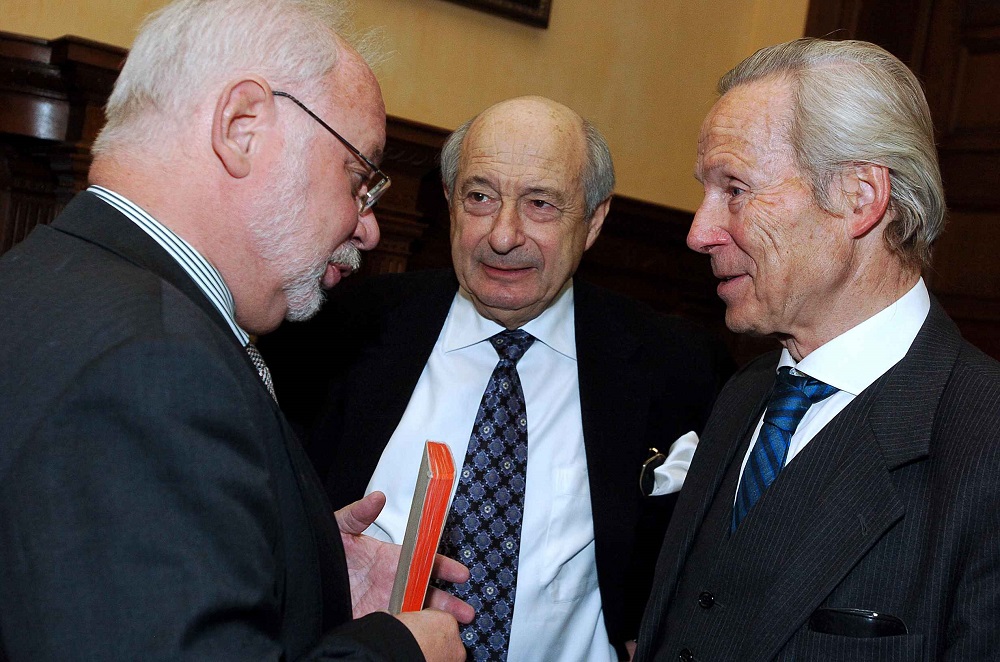
In 2008 EPC Founding Chairman Stanley Crossick retires from the Governing Board. On this occasion, he writes a valedictorian article reflecting upon the "State of the Union" and the challenges ahead.
Written a few months before the Lisbon Treaty came into force, the speech views it as an opportunity for Europe to establish an external policy and a unified international image. Yet, the article is certainly not optimistic. Stanley is fully aware of the many challenges member states still have to face, including Europe's position in trade policies with China and the US, the ambiguity over Europe's institutional and foreign policy framework, and the lack of cooperation between member states.
The article calls for a united Europe that must become today's world leader. "Inclusion and not containment should be our rallying cry", Stanley states.
Policy analysts and think-tankers must also address these issues. In his concluding remarks, Stanley considers the future of the EPC, stating:
"So what should be the EPC's future role? The EPC occupies a special position on the Brussels scene. Its unique multi-disciplinary membership makes it a catalyst in developing a stakeholder society. It should have one further big aim: to encourage a vibrant public policy debate to underpin EU policy - and decision-making".
The EPC Balkans Forum
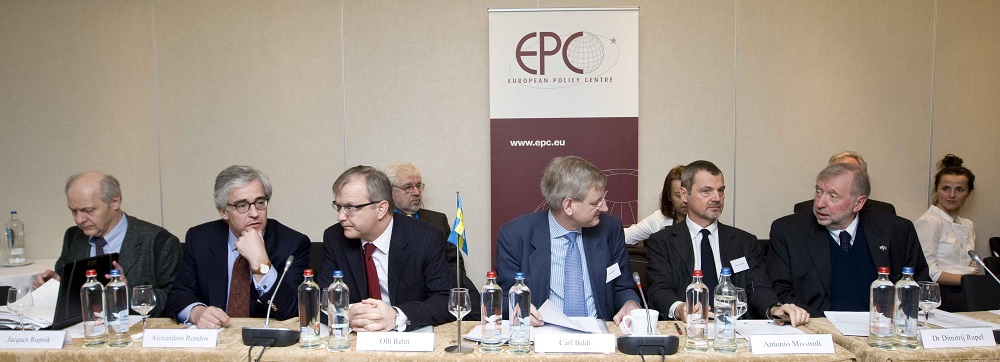
In 2008 the EPC, together with KBF and Compagnia di San Paolo, runs the Balkans Forum to explore the challenges and opportunities of integrating countries in the region into the Union.
Throughout the year, the Centre organises policy dialogues on the public opinion in the Balkans and publishes a Working Paper containing "12 ideas for action". The forum also focuses on other themes, such as crime and corruption, the role and status of minorities, regional cooperation, and the progress made by individual countries.
In March, the EPC hosts the conference "Five years after Thessaloniki" with Balkans experts such as Alexandros Rondos, Ollie Rehn, Carl Bildt, Dimitrij Rupel (in the picture with then-Director of Studies Antonio Missiroli)
Launch of the European Citizens Consultations
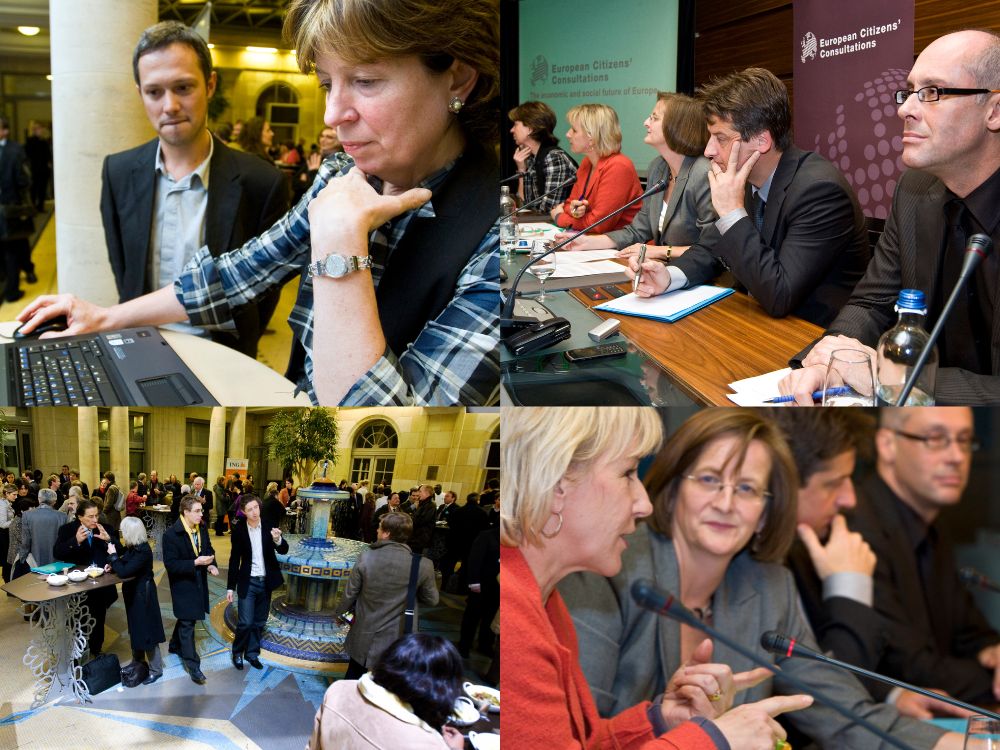
The EPC is involved in the organisation of the European Citizens' Consultations, a cross-border experiment of deliberative democracy. The project, led by the King Baudouin Foundation and co-funded by the European Commission and other institutions, wants to provide EU citizens with a platform to express their ideas, closing the gap between Europeans and policymakers.
In 2009, 1500 people participate in National Consultations, discussing and advising policymakers on the EU's social and economic policy. The EPC participates in the launch of this initiative. Former Director of Communications Jacki Davis moderates a discussion with Diana Wallis, Margot Wallström, Olivier Chastel, and Gerrit Rauws (in the photos).
EPC founders Stanley Crossick and Max Kohnstamm die
Stanley Crossick and Max Kohnstamm, two of the EPC's founders, pass away in the same year. Max was a great advocate of European integration throughout his career, and played an instrumental role in the early development of the EU, collaborating closely with Jean Monnet, one of Europe's 'founding fathers'.
Meglena Kuneva, former European Commissioner, is appointed Chair of the Governing Board.
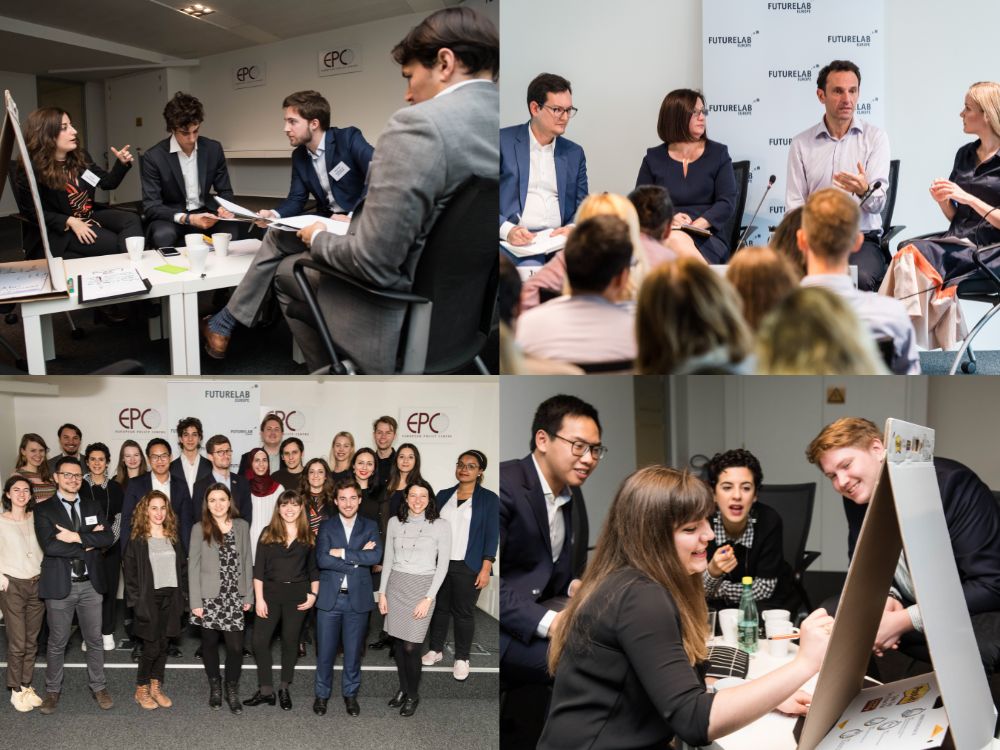
First Future Lab annual forum
In September 2011, 24 young people from all over Europe visit the EPC for the first Future Lab annual forum.
This initiative of the European Alliance for Democratic Citizenships is operated by the EPC in cooperation with the Korber Foundation and the Network of European Foundations. The programme aims at engaging young professionals who want to play an active role in shaping the future of Europe.
Steadily growing
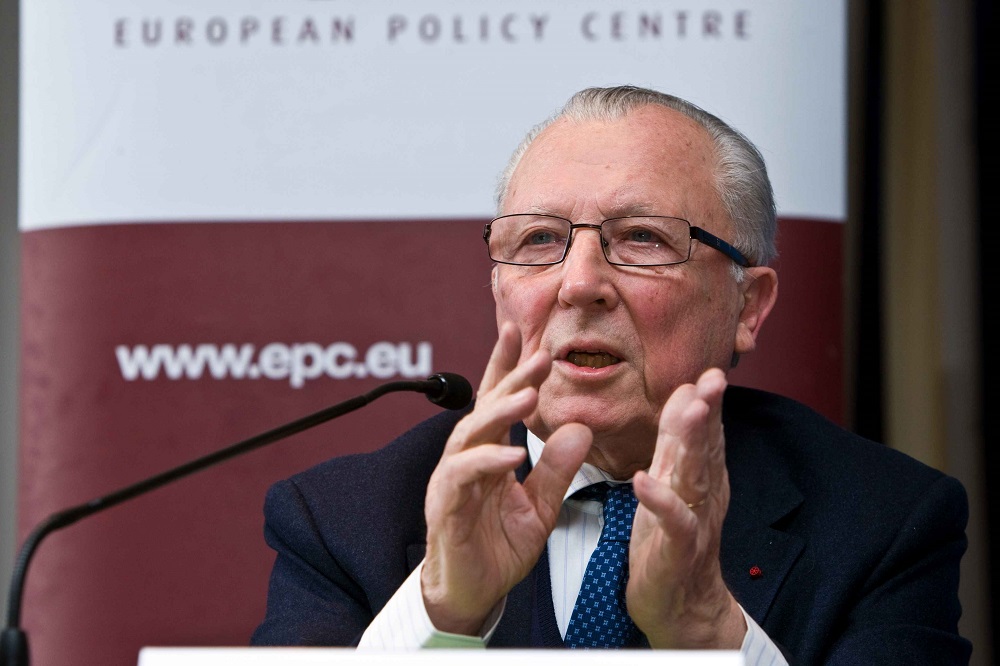
EPC membership reaches over 300. Fees from memberships generate roughly a third of the EPC's annual funding and strenghten its independence.
Jacques Delors speaks at a major EPC Conference to mark the 20th anniversary of the Treaty of Maastricht.
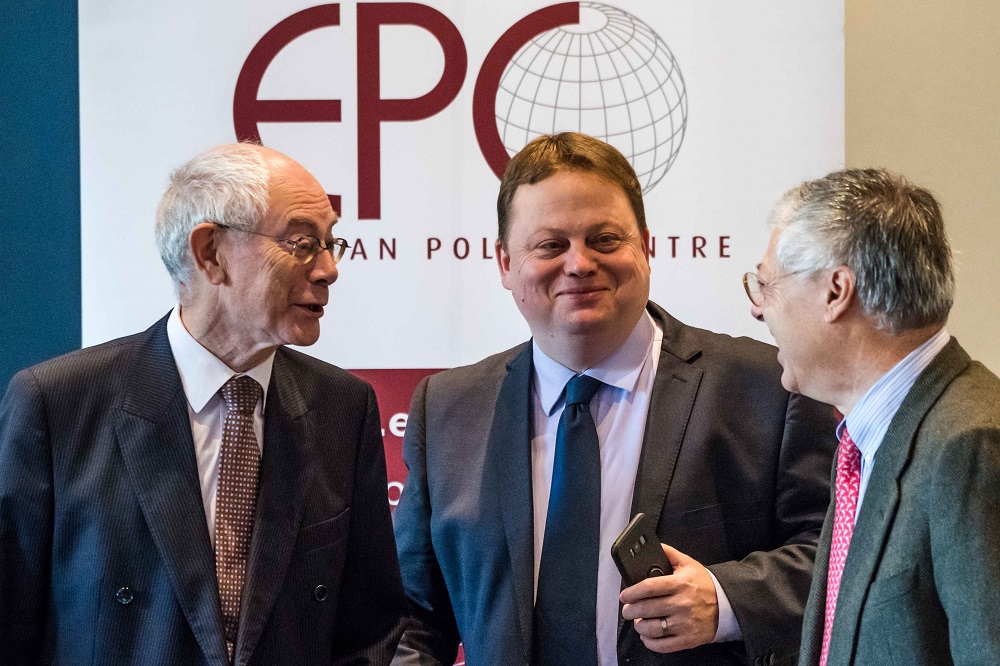
Fabian Zuleeg becomes Chief Executive
Fabian Zuleeg becomes the new Chief Executive of the EPC, and remains so until this day.
New Pact for Europe is launched
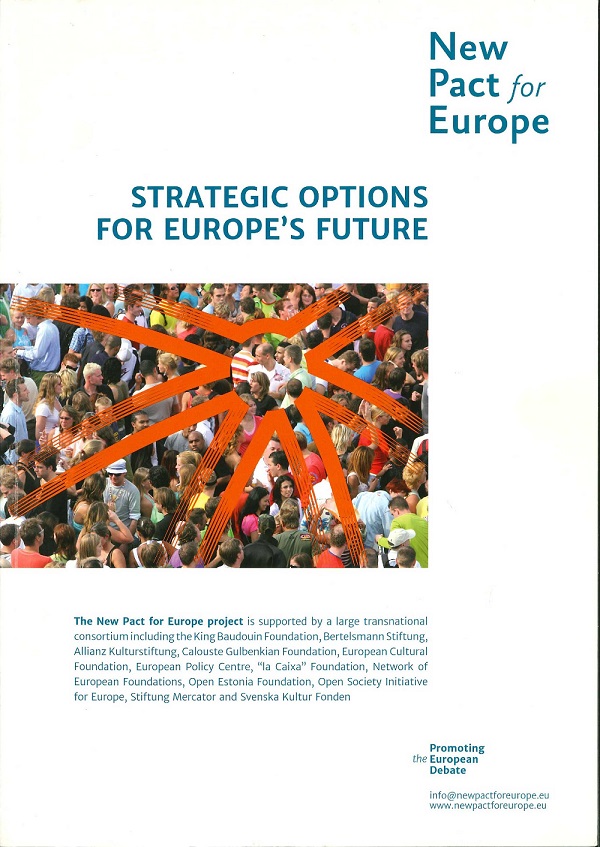
The New Pact for Europe project is launched in 2013 by the King Baudouin Foundation and the Bertelsmann Stiftung, and is supported by a large consortium, including the EPC.
Its aim is to encourage a wider public debate on the EU’s future at both European and national level, involving not only policymakers but also citizens; to contribute fresh but also realistic thinking and ideas on how to address the challenges facing Europe; and to help close widening gaps between member states and even within EU countries.
Overcoming the European crisis
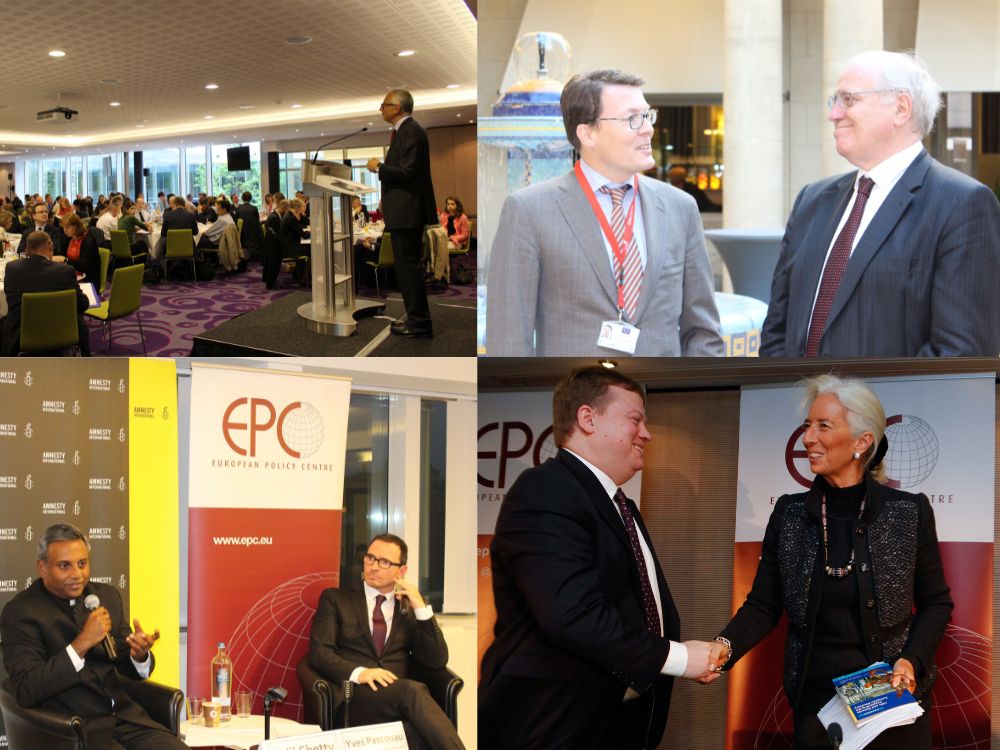
The early 2010s are a difficult time for the Union, and the EPC. The global financial crisis, which started with the collapse of the US housing market in 2007-2008, reverberates around the world. In Europe, the eurozone crisis is a make-or-break moment for the Union. With their backs against the wall, European leaders manage to save the euro and Union - eventually - but a lot of damage is wrought in the meantime.
Throughout the crisis, the EPC manages to propose both crisis response measures and more structural reforms to secure Europe's prosperity in the long run. It is the experience of those crisis years, and a desire to restore trust between member states, that lead to the start of the New Pact for Europe project a year earlier.
Pictured below: Stefano Sannino, Prince Constantijn of the Netherlands, Salil Shetty and Christine Lagarde.
New premises
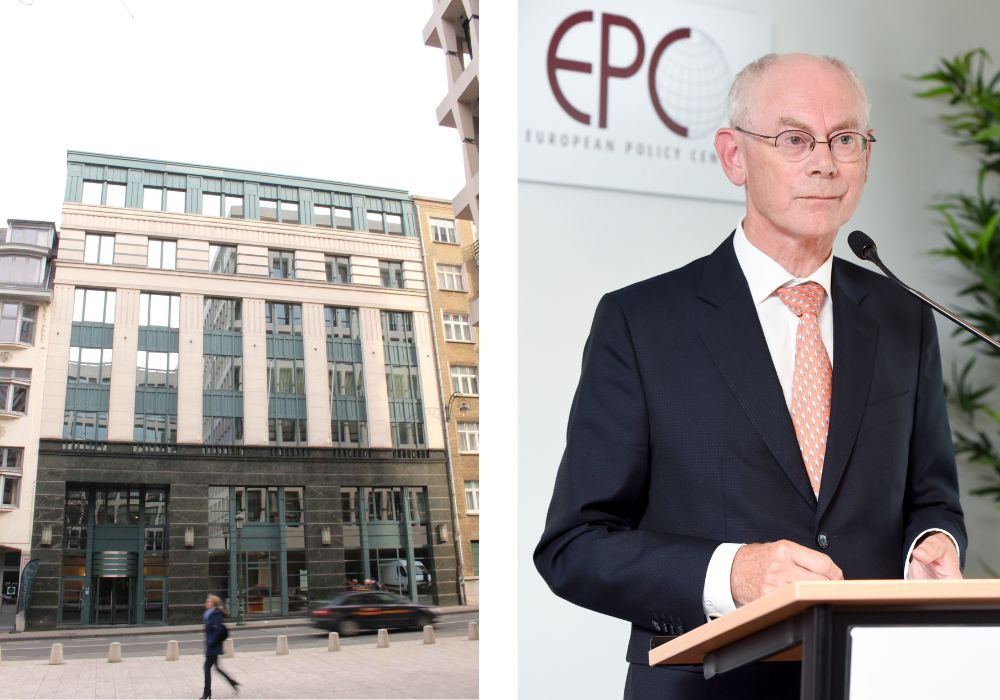
The EPC moves to new premises on Rue du Trone 14-16, Brussels. The new office includes a custom-built, fully equipped conference centre, able to seat up to 120 people.
Herman Van Rompuy, former President of the European Council, becomes President of the EPC.
A newly constituted Governing Board, under the chairmanship of Poule Skytte Christoffersen, now runs the European Policy Centre.
Brexit: The economic and political trade off
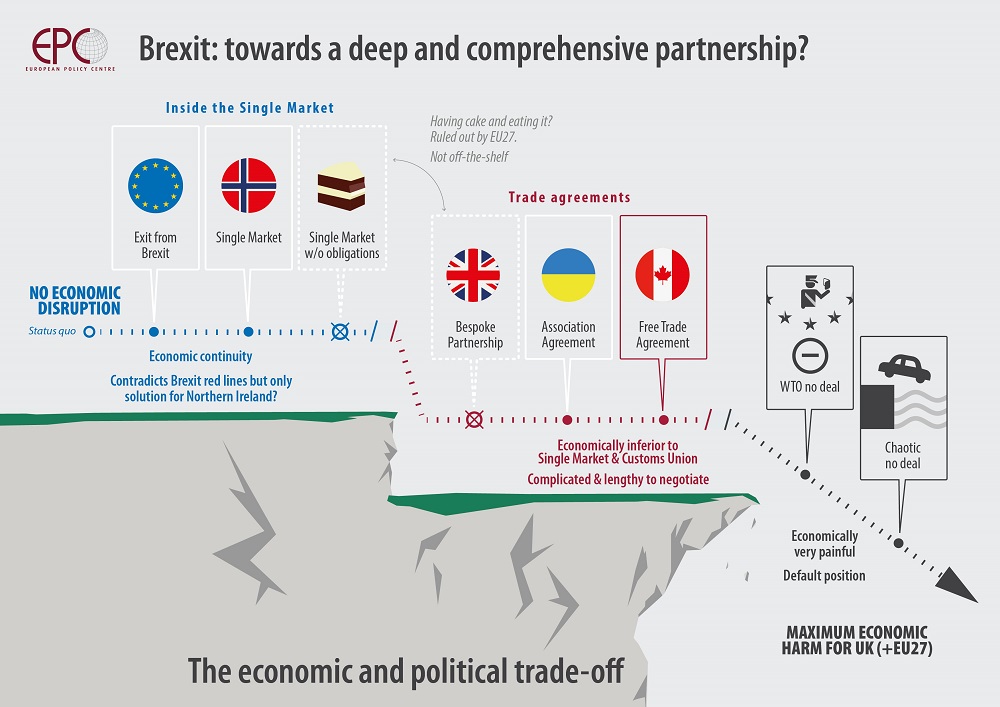
The European Policy Centre become the reference point for think tank analysis on Brexit in Brussels, producing a steady flow of analysis, events and publications on the subject.
In an effort to clarify the negotiations between the UK and EU and explain the different options on the table, we produce an infographic that lays out the potential scenarios, from a soft to a hard Brexit, to the UK going over the cliff edge.
The EPC celebrates another anniversary in style
Then-President of the European Council Donald Tusk delivers a speech warning about the adverse effects of a hard Brexit. His quote "There will be no cake on the table, for anyone. Only salt and vinegar" gets picked up by news outlets around the world.
Launch of Connecting Europe
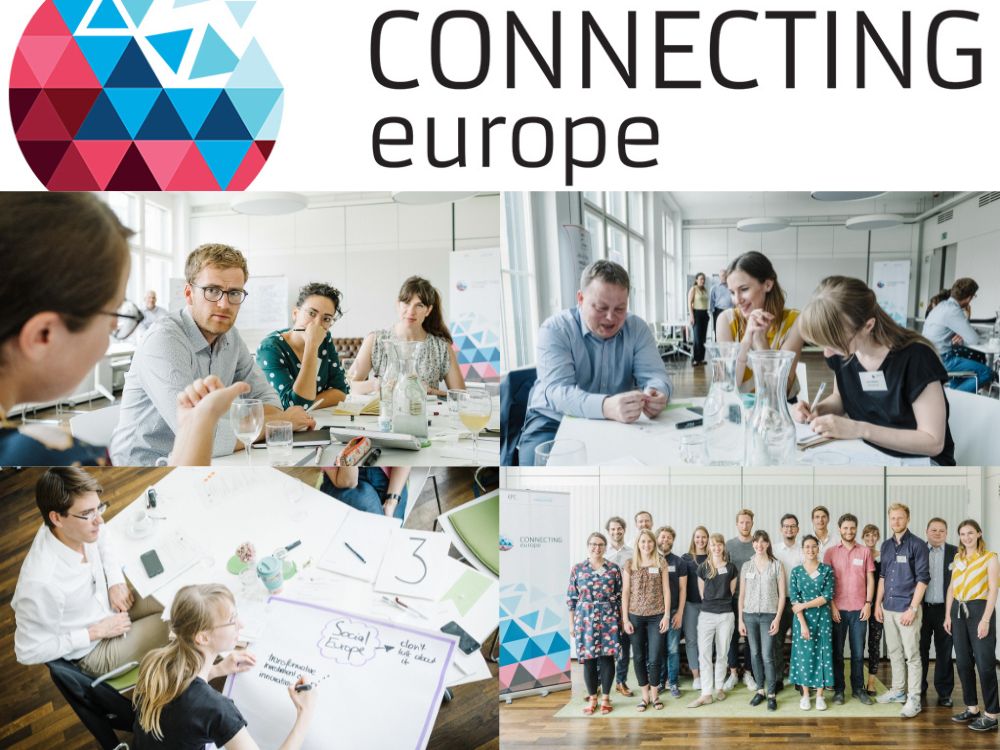
In 2017 the EPC launches the initiative Connecting Europe in cooperation with Stiftung Mercator. The project connects civil society organisations with EU decision-makers, bringing their voice and perspective to Brussels' policy debates.
Working closely with over 25 organisations, Connecting Europe's events and acitivties cover several different policy areas, including the future of Europe, democracy, youth, climate, migration and other key issues.
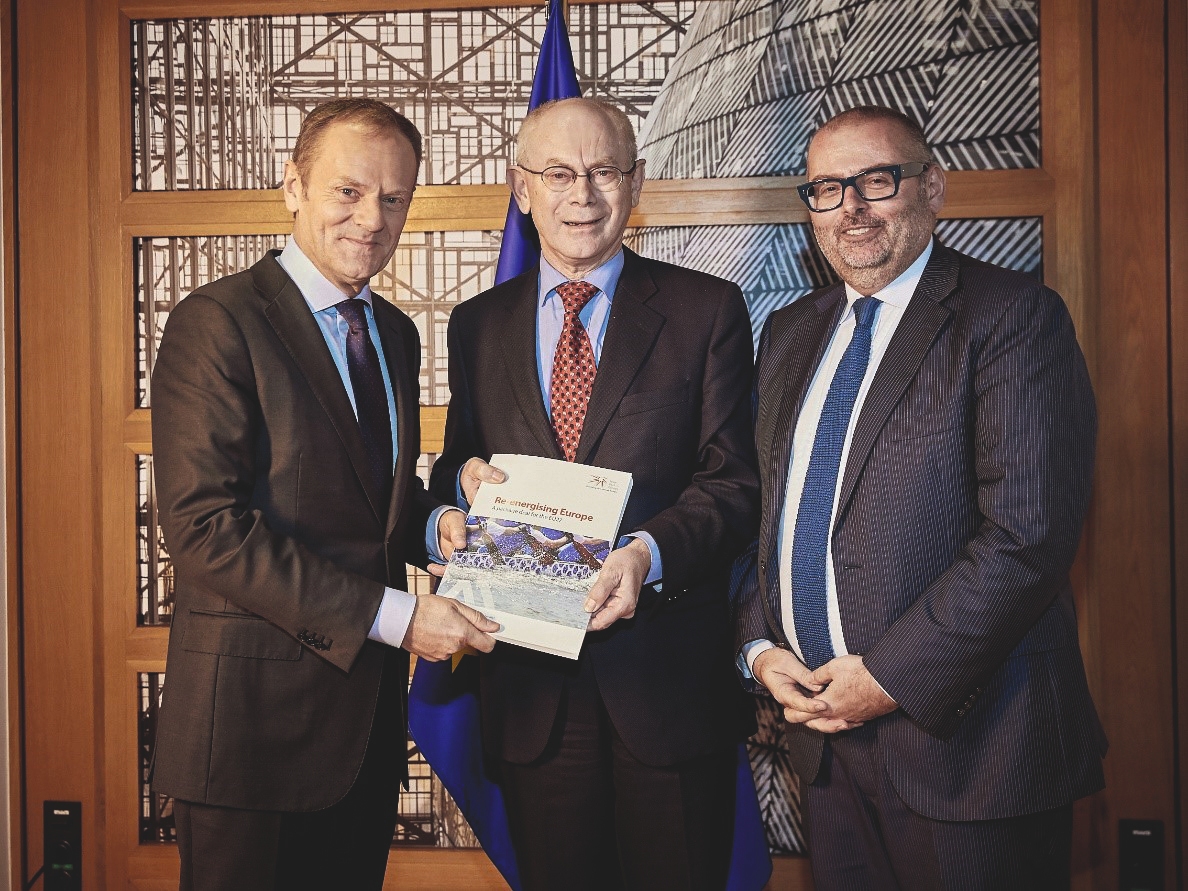
Re-energising Europe: A package deal for the EU27
On 22 November 2017, the third report of the New Pact for Europe initiative is published.
"Only a wise reflection can re-energise Europe. I am confident that the NPE initiative will greatly contribute to this" - Donald Tusk
Tony Blair on Brexit
Former UK Prime Minister Tony Blair speaks on the then-ongoing Brexit negotiations:
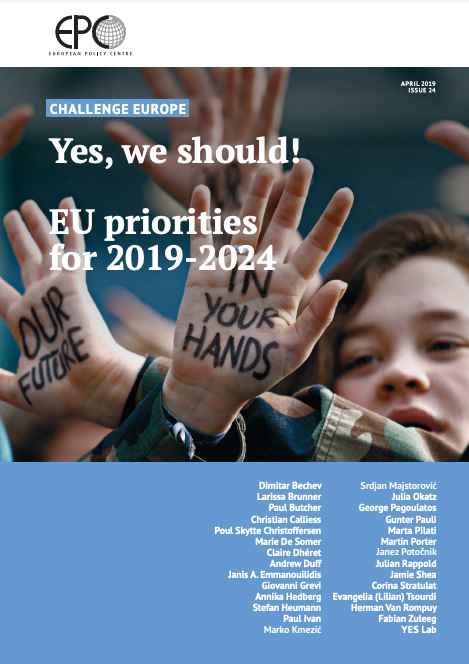
Challenge Europe (nr. 24): Yes, We Should!
Ahead of the 2019 European Parliament elections, and the next politico-institutional cycle, the 24th issue of Challenge Europe delivers an alternative to those who cynically claim that European cooperation no longer works and should be abandoned. It argues instead that integration can still work, and that it is still the best answer to the many problems we are now facing.
With this publication, the EPC wants to remind people of the value of European cooperation and offer some suggestions on how we can continue to shape and improve the project now. In this way, we would be better equipped to respond to the underlying political, socio-economic, and cultural insecurities plaguing Europe, and later down the line, to radically rethink the way we organise our societies.
Commission President Juncker bids Brussels farewell
At the end of his 8-year term as Commission President, Jean-Claude Juncker looks back on his career, and a tumultuous decade for the EU.
A new normal
As the COVID-19 pandemic spreads across the globe, the European Policy Centre, like many other companies, is forced to close down. In a matter of days, all operations are moved online.
The New Pact on Migration and Asylum
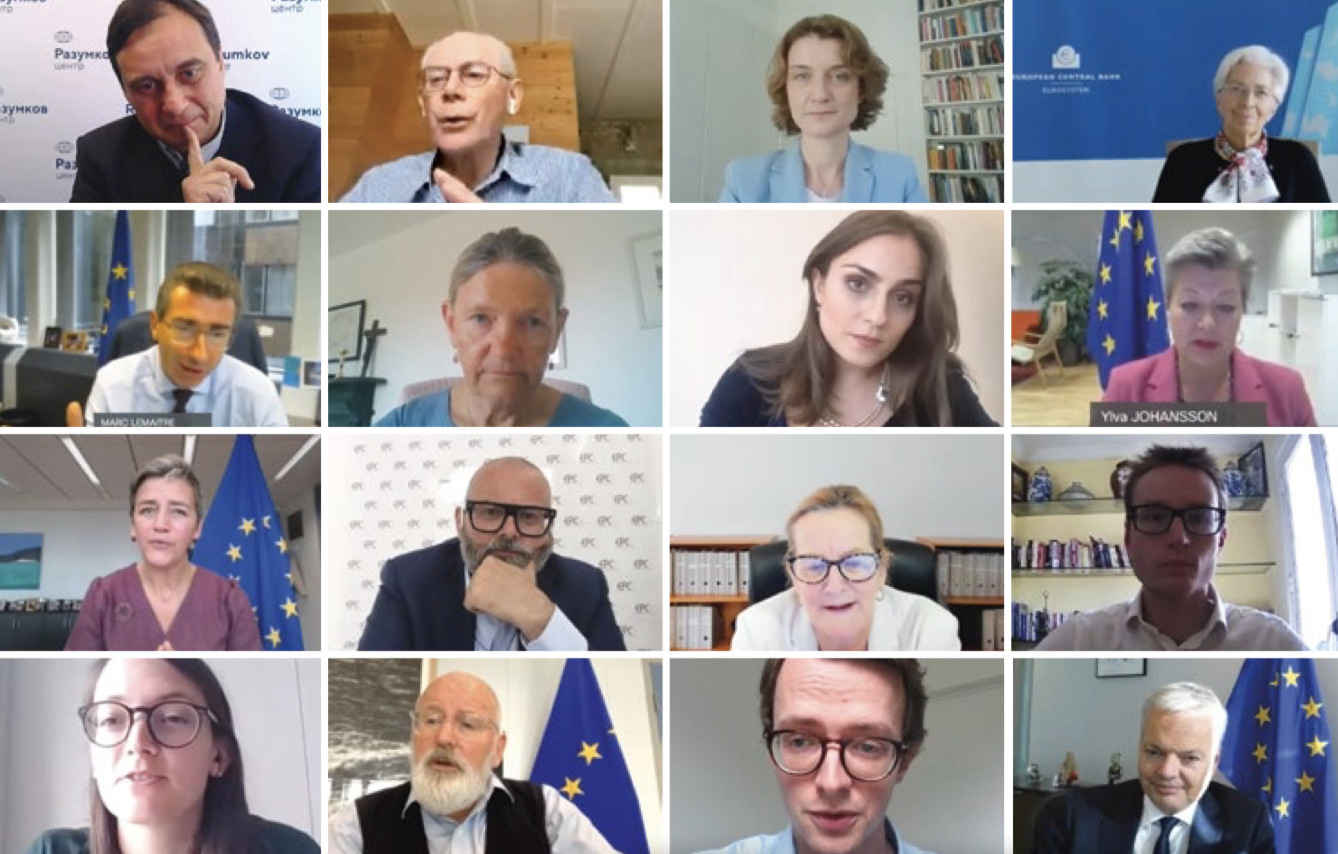
On 23 September 2020, in the midst of the Covid-19 pandemic, a new Pact on Migration and Asylum is adopted.
This policy dialogue organised in cooperation with the Mercator Dialogue on Asylum and Migration reflect on the newly established pact. Executive members of the European Commission, the European Council on Refugees and Exiles, and the European Parliament - including the current President of the European Parliament, Roberta Metsola - participate in the event.
Introducing: The age of permacrisis
In an attempt to zoom out from the day-to-day whirlwind of events and see the ‘bigger
picture’, Fabian Zuleeg, Janis A. Emmanouilidis and Ricardo Borges de Castro introduce
the concept of ‘permacrisis’. In a seminal paper in March 2021, they argue that, rather than
being the exception, a state of permanent crisis will be the environment in which Europe will have to continue to operate for the foreseeable future. This will necessitate a change in EU decision-making, as well as new and recalibrated instruments and mechanisms to ensure more effective responses to future chapters of the permacrisis.
The term is increasingly used by media and decision-makers to describe the ongoing predicament Europe now finds itself in.
Why the UN Sustainable Development Goals matter more than ever
In April 2021, the European Policy Centre welcomes Her Majesty the Queen of the Belgians, European Commissioner Jutta Urpilainen, and UN Director Guillaume Lafortune to discuss the state of play of the UN Sustainable Development Goals.
Taking place at the beginning of the European Covid-19 recovery, this conversation encourages policymakers and the private sector to consider the SDGs valuable guidelines for creating prosperous, sustainable, and resilient societies.
EPC Talks Geopolitics with Fiona Hill
To reflect the growing importance of EU foreign policy, the Europe in the World programme launches a new event format called EPC Talks Geopolitics. It features foreign policy heavyweights who shed their light on current and long-term issues and explore Europe's geopolitical outlook and its role in international affairs.
In January the EPC welcomes Fiona Hill, Senior Fellow at the Brookings Institute and former Deputy Assistant to the President of the United States. As a pivotal witness to President Trump’s impeachment hearings and one of the most significant thinkers on global and foreign affairs, Fiona Hill draws from her distinguished professional experience to give a detailed analysis of the rise of populism and its impact on geopolitics.
The fall-out from Russia's ongoing invasion of Ukraine
Less than three weeks after the Russian invasion of Ukraine and the beginning of the war, this policy dialogue organised in cooperation with the Polish Institute of International Affairs offers a timely discussion on the war in Ukraine. The event considers the impact of the war on the EU-27 and the effectiveness of the European response to the invasion. In the panel, a member of the Ukrainian Parliament, Kira Rudik, provides her analysis of the events and recommendations for the European states.
Sixty Minute Briefing with Alexander Stubb
In this sixty-minute briefing, Professor Alexander Stubb reflects upon the impact of the Russian war in Ukraine one month after the invasion. As the former Prime Minister of Finland and Finance and Foreign Minister, Professor Stubb provides a clear and timely overview of the implications of the war for Finland and Europe, analysing the European response in its first critical moments.
25 years at the heart of EU affairs
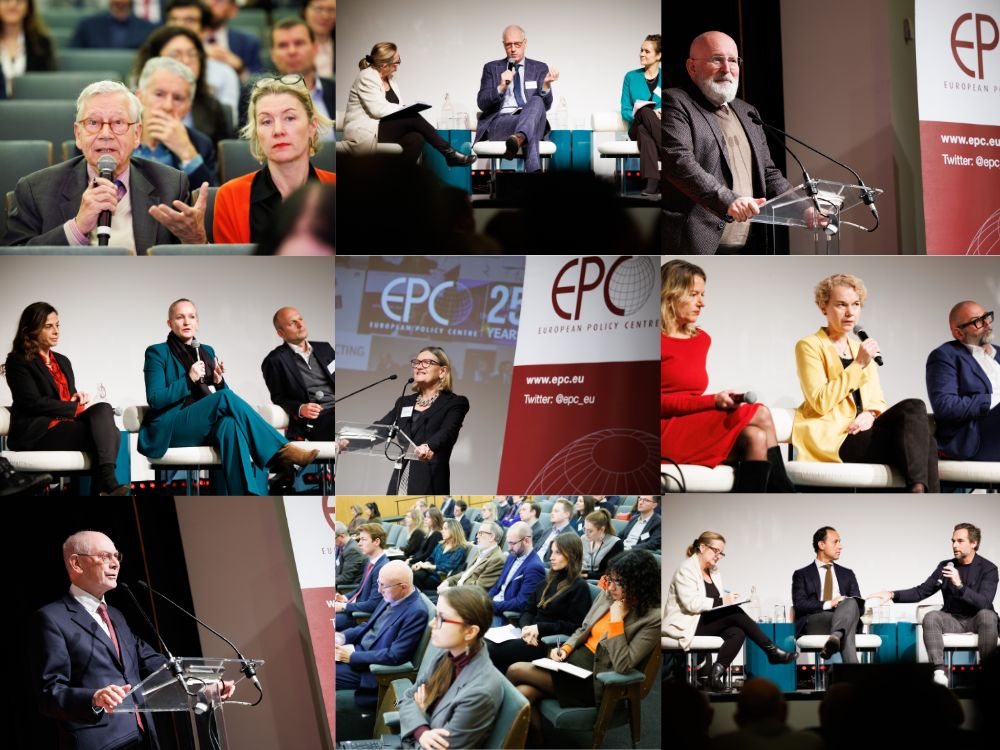
In 2022, the EPC celebrates its 25th anniversary with a high-level public Jubilee Conference, ‘The EU’s reckoning with power’. Several panels looks at different aspects of EU policies at this watershed moment, from migration, the economy, and the climate emergency to the EU’s foreign policy and response to Russia’s war in Ukraine.
The conference also marks the opportunity to thank Herman Van Rompuy for his dedication and guidance during his seven years as EPC President and welcome Professor Brigid Laffan to this role.
European Commission Executive Vice-President for the EU Green Deal, Frans Timmermans, is invited to share his concluding remarks, where he advocates for a stronger political will to speed up the energy and green transition in the EU.
Commission President von der Leyen outlines her vision for EU-China relations
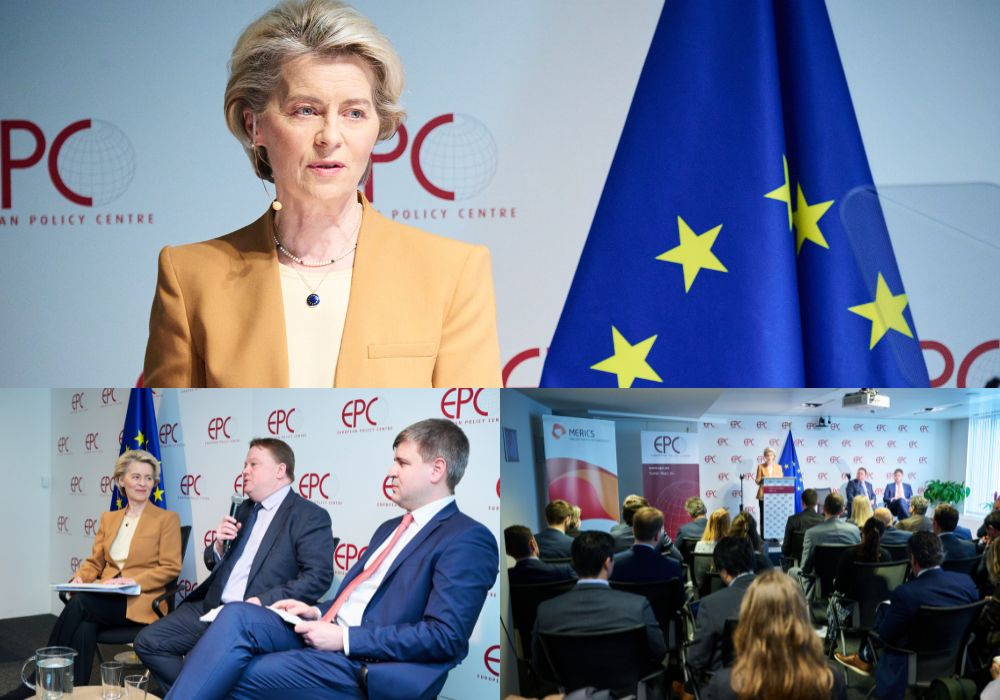
On 30 March 2023, European Commission President Ursula von der Leyen gives a speech at the European Policy Centre, outlining her vision for the future of EU-China relations. The event is organised in cooperation with the Mercator Institute for China Studies (MERICS) and takes place ahead of von der Leyen and French President Emmanuel Macron’s visit to China.
In her speech, the Commission President advocates for a firm, de-risking approach of the EU’s relations with China, with a ‘clear-eyed picture on what the risks are’. This approach also foresees a reassessment of the EU-China Comprehensive Agreement on Investment (CAI) - which has been put on hold since 2021 - and calls for more effective EU-China cooperation on policies such as health, digital, and green technologies, but also for stricter control over emerging technologies’ exports and diversification of rare materials.