

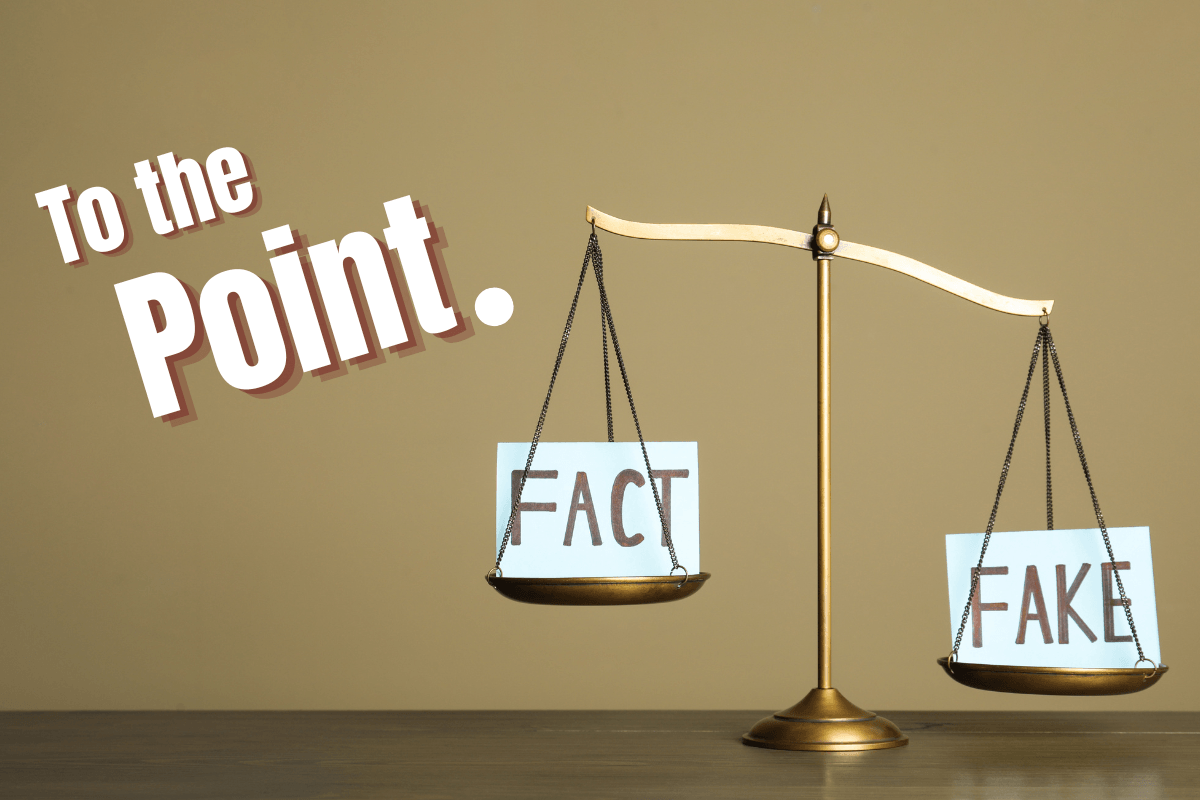
Today's geopolitical conflicts are fought not only with missiles, sanctions and tariffs but also through competing versions of reality. The battle is no longer simply over how facts should be interpreted. Increasingly, it is over whether facts exist at all.
Whether a country commits war crimes, violates sanctions, interferes in elections, pursues weapons of mass destruction or conceals information about a pandemic are questions of fact before they become matters of interpretation. Yet every side now produces its own dossier, complete with evidence, experts and carefully crafted narratives. However compelling the case, it is easily dismissed because the messenger is rarely perceived as neutral. Truth itself has become another weapon of geopolitics.
This is more than an information problem. It distorts political and economic decision-making, undermines international law and fuels conspiracy theories. If every fact is treated as partisan, power rather than evidence determines what the world comes to believe.

The international system has independent institutions to adjudicate legal disputes. It has none to provide an authoritative assessment of contested facts. That gap is becoming increasingly dangerous.
The world should establish an independent global evidence body to assess claims submitted by states and other parties. Its purpose would not be to determine legal guilt beyond reasonable doubt, but to weigh evidence transparently and reach conclusions on the balance of probabilities.
Such an institution would be politically contentious and constantly challenged. That is precisely why it is needed. If today's conflicts are increasingly fought in the information domain, strengthening the credibility of evidence is no longer an academic exercise. It is a geopolitical necessity.
Fabian Zuleeg is Chief Executive and Chief Economist at the European Policy Centre.
The support the European Policy Centre receives for its ongoing operations, or specifically for its publications, does not constitute an endorsement of their contents, which reflect the views of the authors only. Supporters and partners cannot be held responsible for any use that may be made of the information contained therein.