


Europe’s headaches over the Democratic victory in the US midterms
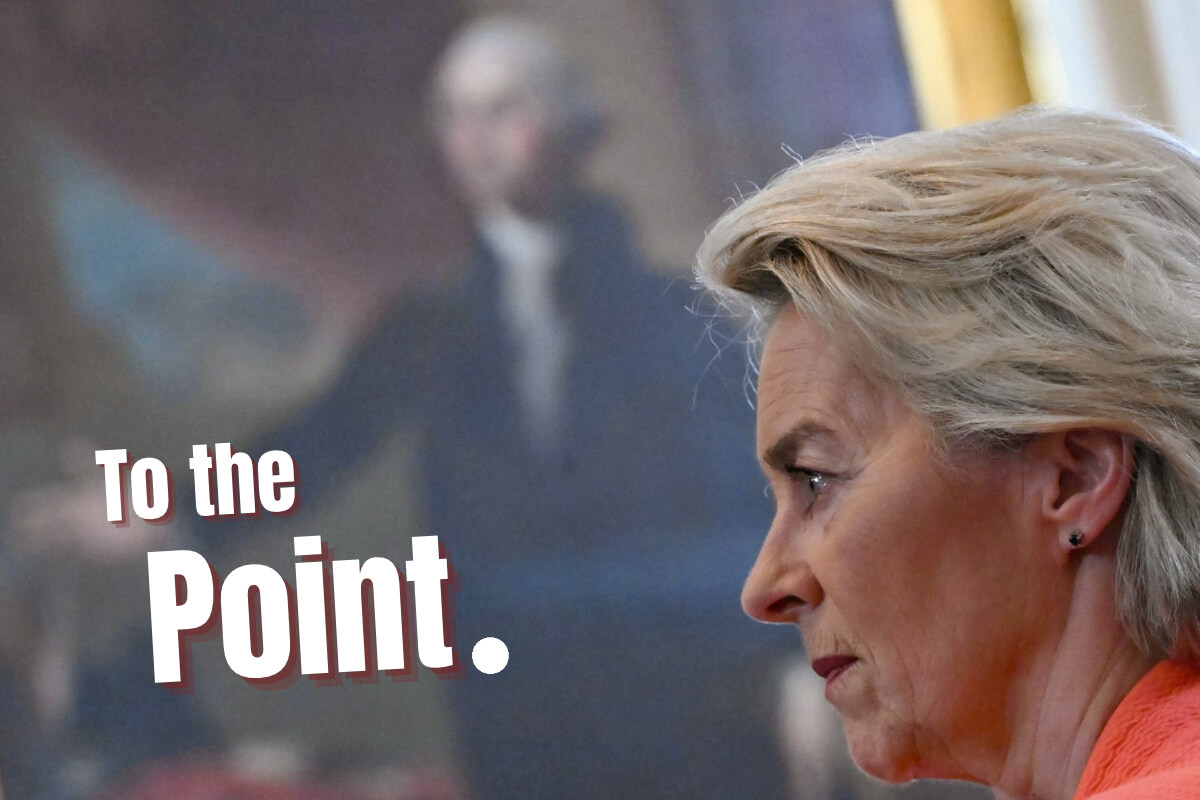
There is a sense of relief in Brussels and European capitals about Democrats winning both chambers of Congress in yesterday’s historic US midterm elections. Yet this new political constellation in Washington D.C. may prove to be difficult for Europeans to navigate in their support for Ukraine in the months ahead.
The new Democratic Congressional leadership will be an important ally for Europe as Ukraine enters its fifth winter at war. Congress has generally given bipartisan support to Ukraine in the past, and with clear majorities in both houses, Democrats aiming to make a mark are likely to back new legislation on aid to Kyiv and sanctions against Russia. There will also be more alignment with Europeans on political messaging.
And yet, Europeans might well be caught in predictable adversarial power plays between Congress and the White House. A wounded president is likely to lash out at home and use his power in foreign policy abroad. Not only does Trump have the power to veto Congressional legislation, he will also aim to build the personal legacy he will be denied at home more aggressively via perceived ‘achievement’ abroad. The obsession with being seen as the leader who ends wars makes it more likely that Trump will increasingly appease the Russian aggressor.
Europeans will have to navigate Washington politics carefully. Congress will be an ally, and Trump will hate to see this. But Europe badly needs the President to deliver an end to the war that preserves Ukrainian sovereignty and European security.
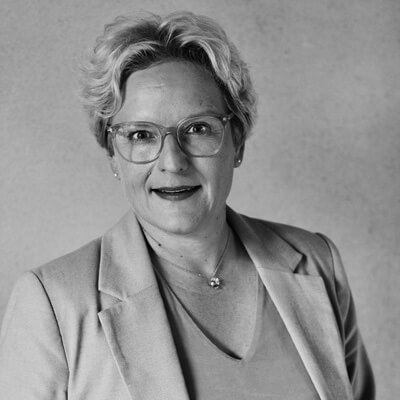
Almut Möller is Director for European and Global Affairs and head of the Europe in the World programme at the EPC.
The support the European Policy Centre receives for its ongoing operations, or specifically for its publications, does not constitute an endorsement of their contents, which reflect the views of the authors only. Supporters and partners cannot be held responsible for any use that may be made of the information contained therein.