

Canada is offering Europe a lesson in how to deal with Donald Trump: economic dependence does not have to mean political submission.
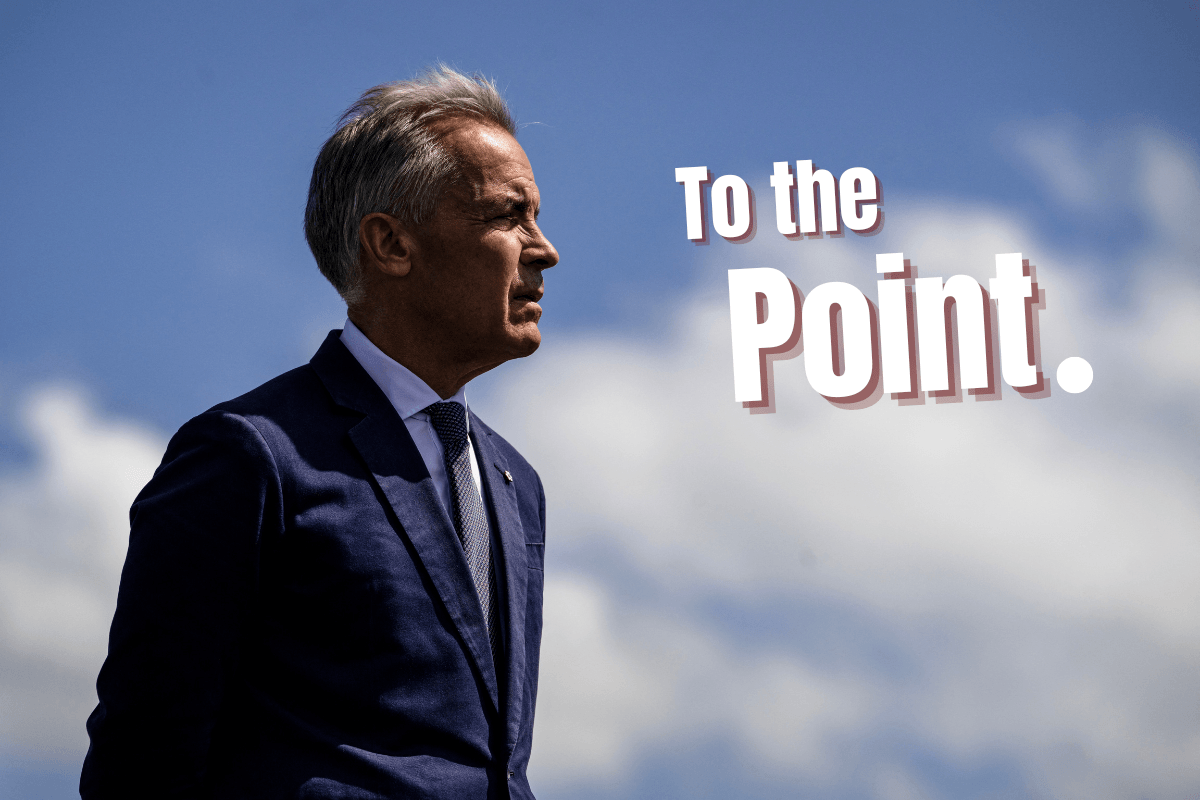
Prime Minister Mark Carney has responded to Washington’s latest tariff offensive by suspending trade talks and promising dollar-for-dollar retaliation. This is a striking choice for a country that sends around 70% of its exports to the United States. Yet Carney’s calculation is that repeatedly accommodating escalating demands ultimately creates greater vulnerability.
Europe should draw three lessons.
First, Europe should stop treating accommodation as the default response to US pressure. If Washington breaches the Turnberry deal, circumvents the 15% tariff ceiling, or threatens tariffs to force changes to unrelated EU policies, Europe should be ready to retaliate – for example, by reactivating the €93 billion package of suspended counter-tariffs or, in cases of broader coercion, using the Anti-Coercion Instrument. Washington must know that further pressure will carry costs.
Second, Europe should coordinate more closely with like-minded powers facing economic coercion. Rather than reacting separately when the US, China or others apply pressure, the EU and countries such as Canada, the UK, Japan and Australia should coordinate deterrent measures and demonstrate solidarity when one of them is targeted. This was at the heart of Carney’s Davos argument: middle powers can collectively constrain the arbitrary exercise of economic power. EUrope should help turn that idea into genuine economic security alliances.
Third, deterrence must be backed by resilience. Carney is coupling resistance with efforts to diversify Canadian trade and strengthen domestic production and supply chains. Europe should follow the same logic by forging deeper industrial and technological partnerships with like-minded countries, forming the basis of a new geo-industrial deal. At the same time, it needs substantially greater investment in strategic sectors, infrastructure and technologies.
Canada is showing Europe that economic dependence need not mean political submission – if Europe builds the deterrence, partnerships and resilience to say no.
Philipp Lausberg is a Senior Policy Analyst in the European Political Economy Programme at the European Policy Centre and leads the EPC’s EU sanctions project.
The support the European Policy Centre receives for its ongoing operations, or specifically for its publications, does not constitute an endorsement of their contents, which reflect the views of the authors only. Supporters and partners cannot be held responsible for any use that may be made of the information contained therein.