SHARE:


Post-Summit Briefing 2017-10-23
PAST
EVENT
EVENT
Oct 23, 2017
00:00 - 00:00
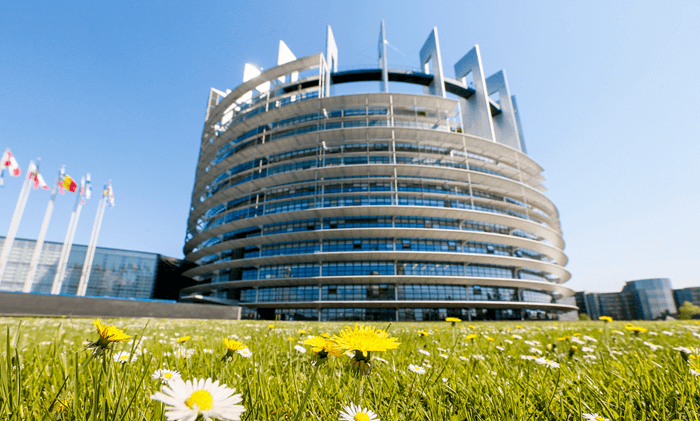
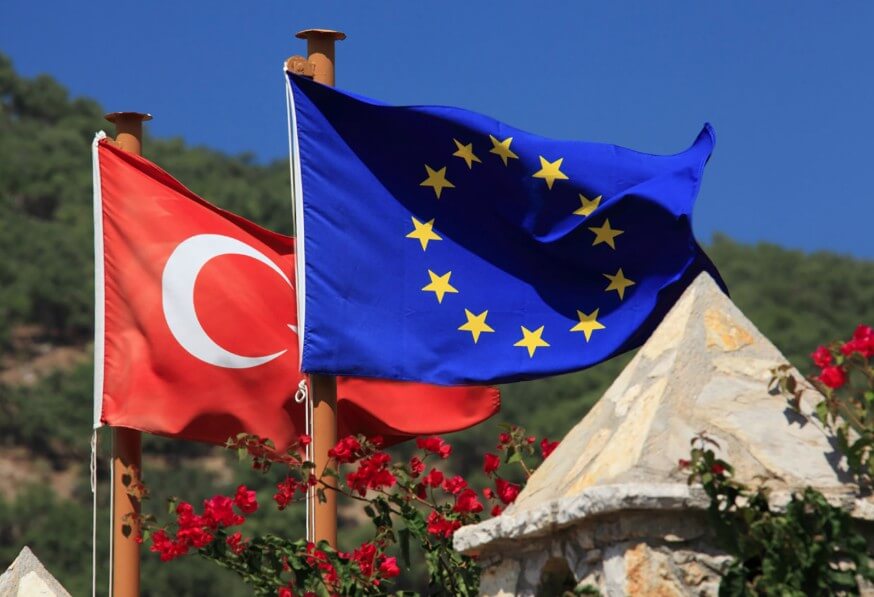
At this Post-Summit Briefing, Fabian Zuleeg, EPC’s Chief Executive, Janis A. Emmanouilidis, EPC Director of Studies, and Anne Gellinek, Bureau Chief, ZDF Brussels, discussed the outcome of the 19-20 October 2017 Summit. In a nutshell, it was an in-between summit. Although the optimistic mood of earlier in the year was still present at the Summit, it was difficult to move forward on structural reform issues without the new German government in place. A lot remains uncertain. Nevertheless, EU leaders had a full plate at the Summit and debated a wide range of issues, such as migration, Digital Europe, security and defence, Brexit, the relationship with Turkey and the so-called Leaders’ Agenda.
The European Migration and Diversity (EMD) Programme provides independent expertise on European migration and asylum policies. The EMD Programme's analyses seek to contribute to sustainable and responsible policy solutions and are aimed at promoting a positive and constructive dialogue on migration and mobility.
The Programme follows the policy debate and conducts analysis taking a multidisciplinary approach, examining both the legal and political aspects shaping European migration policies. EMD analysts focus, amongst other topics, on the reform of the Common European Asylum System; the management of the EU’s external borders and the Schengen governance; cooperation with countries of origin and transit; the integration of beneficiaries of international protection and mobile persons into host societies; the links between migration and populism; the development of resettlement and legal pathways; and the EU''s free movement acquis. The EMD team benefits from a strong network of academics, NGO representatives and policymakers, who contribute regularly to publications and policy events.
The European Politics and Institutions Programme covers the EU’s institutional architecture, governance and policymaking to ensure that it can move forward and respond to the challenges of the 21st century democratically and effectively. It also monitors and analyses political developments at the EU level and in the member states, discussing the key questions of how to involve European citizens in the discussions over the Union’s future and how to win their support for European integration. The Programme has a special focus on enlargement policy towards the Western Balkans, questions of EU institutional reform and illiberal trends in European democracies.
The Sustainable Prosperity for Europe (SPfE) Programme explores the foundations and drivers for achieving a sustainable, resilient and competitive European economy.
Prospering within the planetary boundaries requires rethinking our economic model, including our production and consumption patterns, as well as our energy, mobility and food systems. It requires addressing the climate emergency and environmental degradation, as well as becoming smarter with the resources we have. The transition to the world we want must bring both businesses and people along, if it is to succeed.
The Paris Agreement and the Sustainable Development Agenda provide the direction for travel globally and in Europe, and the SPfE Programme engages in a debate on the drivers and the means for achieving our goals. The Programme focuses on areas where working together across the EU can bring significant benefits to the member states, citizens and businesses and can ensure sustainable prosperity within the limits of this planet.
Coming next
Oct 07, 2026
14:30 - 15:30

Online

EU DEMOCRACY REFORM CONVERSATION
Oct 12, 2026
09.00 - 13.30

In Person
Oct 14, 2026
15:00 - 16:00
Online

ONLINE POLICY DIALOGUE
Dec 02, 2026
14:00-18:30
In Person
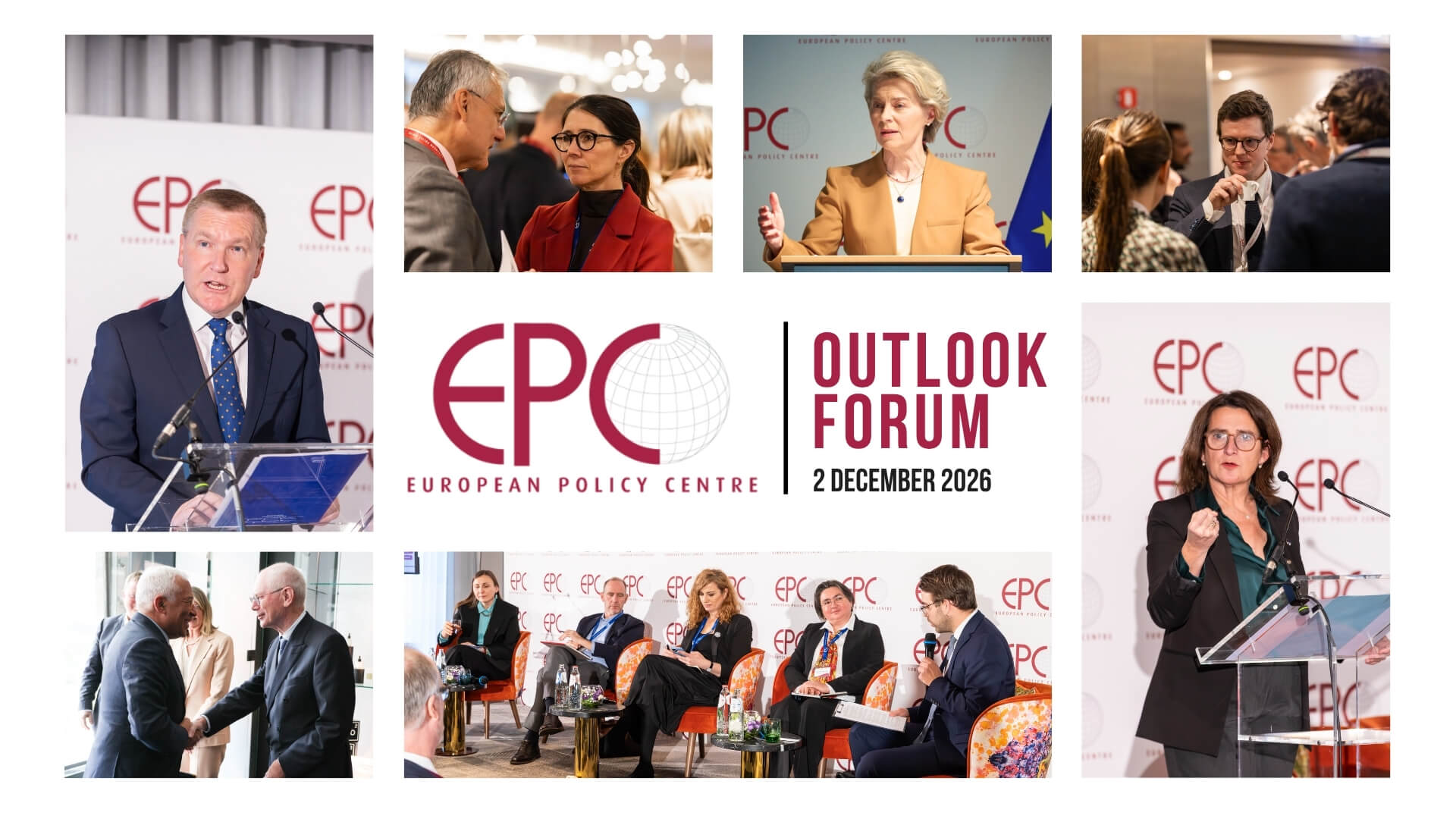
Inaugural EPC Outlook Forum