


SOTEU 2026: We needed delivery and implementation
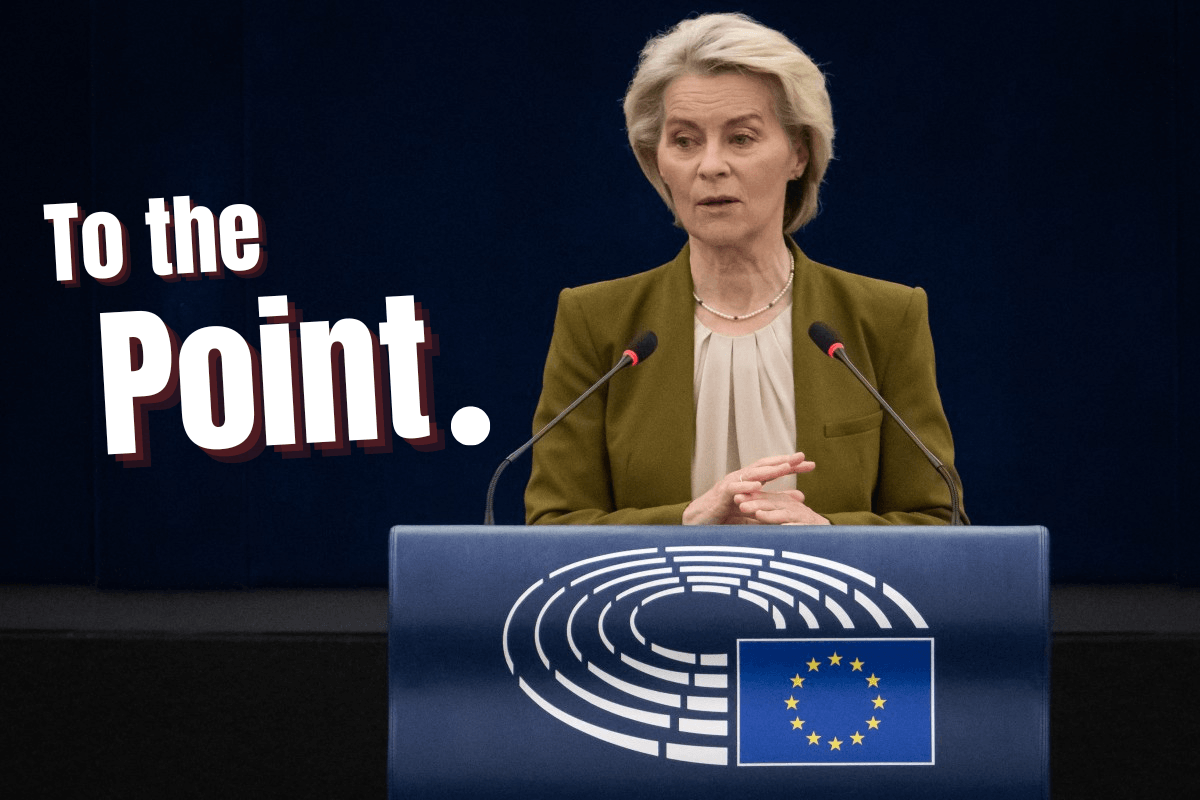

Ursula von der Leyen’s State of the Union once again demonstrated no shortage of European ambition. But Europe increasingly knows what it needs to do. The challenge is turning ambition into delivery and partnerships into power.
Europe is operating under profound geopolitical, economic and democratic pressure. Yet the delivery gap between the scale, scope, depth and speed of action required and what Europe actually delivers continues to widen. With hundreds of initiatives already on the Commission’s agenda, adding more cannot be the principal measure of success.
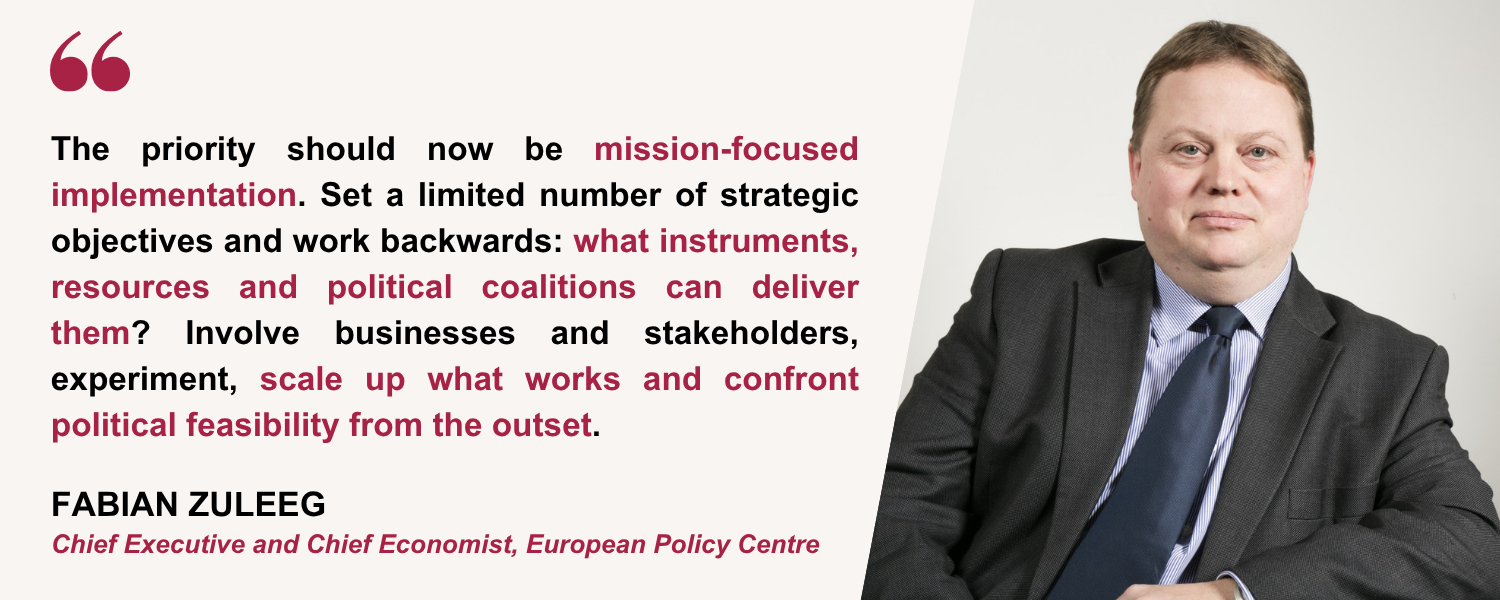
The priority should now be mission-focused implementation. Set a limited number of strategic objectives and work backwards: what instruments, resources and political coalitions can deliver them? Involve businesses and stakeholders, experiment, scale up what works and confront political feasibility from the outset.
Delivery also requires external leverage. Von der Leyen’s proposal for Canada to become the EU’s first associate member points in the right direction. But such Integrated Partnerships must be filled with concrete cooperation across trade, economic security, defence, technology and foreign policy. An Economic Security Alliance should be a further step, enabling like-minded countries to share risks and respond collectively to coercion.
The same principle applies internally. When unanimity prevents action, a supra-governmental avantgarde of willing countries must move ahead, including outside the treaties where necessary.
Europe’s challenge is no longer primarily determining what to do. It is constructing how to make it happen.
Fabian Zuleeg Chief Executive and Chief Economist
The support the European Policy Centre receives for its ongoing operations, or specifically for its publications, does not constitute an endorsement of their contents, which reflect the views of the authors only. Supporters and partners cannot be held responsible for any use that may be made of the information contained therein.