

Power Play: The EU’s High-Stakes Push for Electrification?
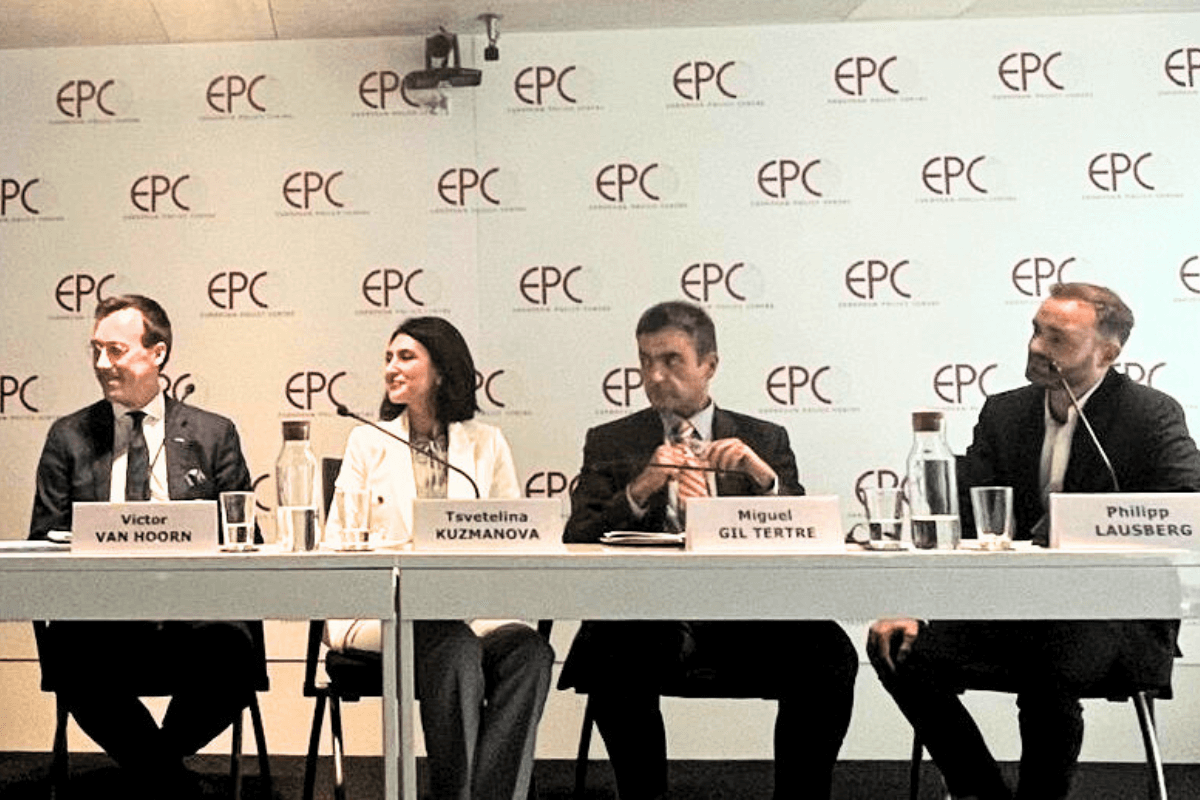
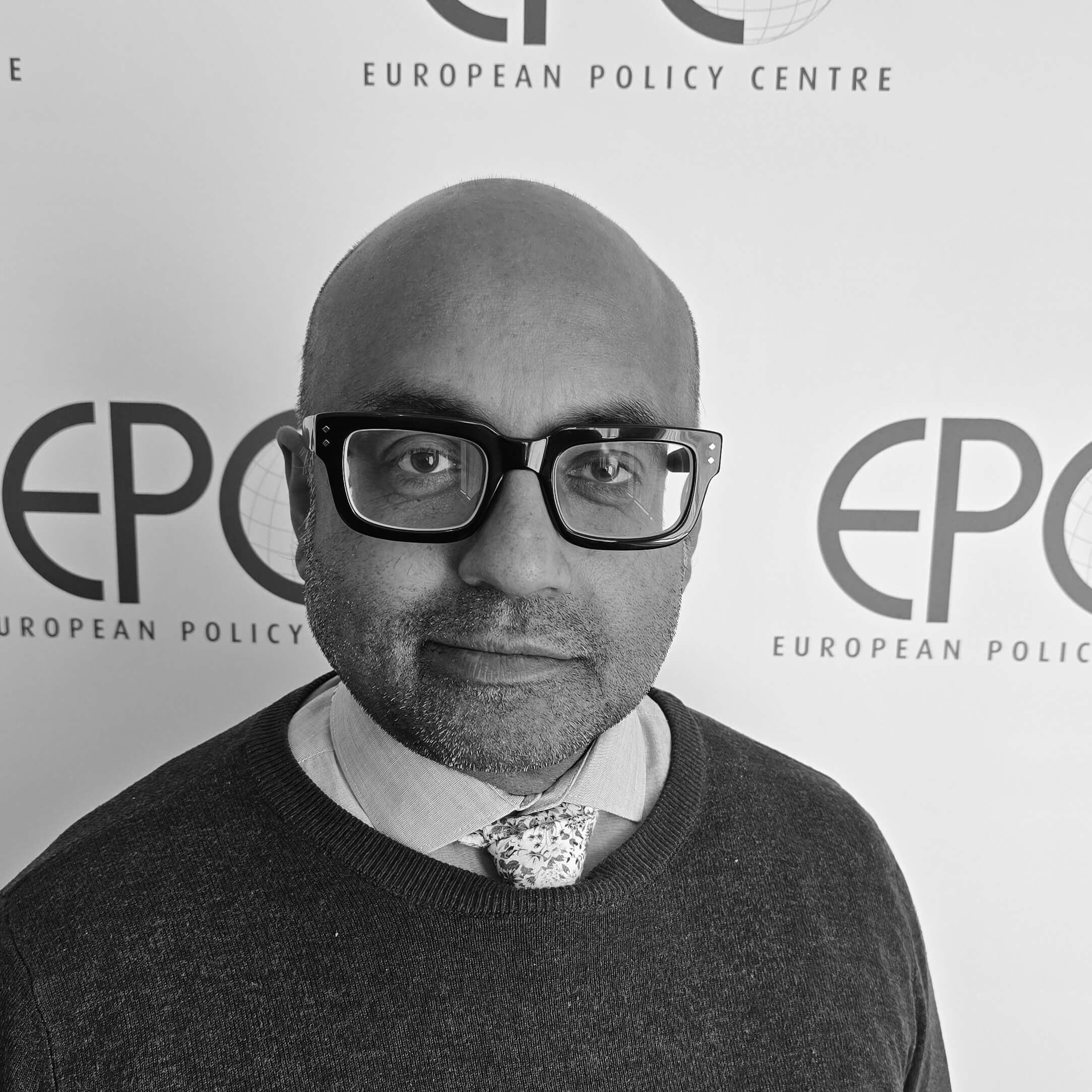
Christian Stenberg, representing the Danish government—which currently holds the Presidency of the Council of the European Union—joined other leading speakers at the European Policy Centre for high-level discussions on the EU’s drive towards electrification.
The high-level panel featured Head of Cabinet for Executive Vice President Teresa Ribera, European Commission, Miguel Gil Tertre, Senior Project Manager and EU Sustainable Finance Policy Lead, Cambridge Institute for Sustainability Leadership, Tsvetelina Kuzmanova, and. Director at Cleantech for Europe Victor Van Hoorn.
The event, titled “How Can the EU Ramp Up Investment in Cleantech and Electrification?”, explored how clean technology and electrification can support the EU’s three main goals: sustainability, competitiveness, and security. They can also help to reduce energy costs—a major challenge for Europe—and cut dependence on fossil fuels from countries such as Russia. These efforts are central to the EU’s aim of becoming climate-neutral by 2050.
During the event, Stenberg stressed that energy policy was a top priority for the Danish presidency. Clean technology is diverse, and financing must be tailored accordingly. Predictability, simplicity, and technological neutrality were key. All clean energy sources were needed including nuclear.
Stenberg fully supported the Commission’s tripartite processes—bringing together public, private, and finance actors—are promising. “We know from our Danish experience […] we've had one in agriculture, it can succeed. I'm sure it can work in energy, […] if we work together.”
Panellists emphasised that cleantech spans a wide spectrum of technologies, ranging from mature solutions like solar and wind to early-stage innovations still under development. As a result, discussions about cleantech therefore require a nuanced, granular approach rather than treating it as a single category.
Different technologies play distinct roles in decarbonisation and therefore demand tailored policies and financing tools Without acknowledging this diversity, debates on cleantech risk overlooking the specific needs and contributions of each technology.
A completed and effective Savings and Investment Union will be critical to scaling up cleantech investment. The challenge is not a shortage of private capital, but the lack of mechanisms to channel it into the right projects. It is equally important to acknowledge that different types of private finance are suited to different needs. Public money should act as a catalyst to de-risk projects, enabling private investors to step in at scale. Ultimately, the creation of new financial instruments depends on the successful establishment of the Savings and Investment Union.
A wide range of actors must be involved in shaping the future of cleantech in Europe and creating the right conditions for its development and scale-up. Electricity grids, as essential public goods, form the backbone of a decarbonised industry and are vital to enabling clean technologies. Their expansion and modernisation should therefore be treated as a top priority. To achieve this, the EU needs a long-term, forward-looking strategy that uses public funding to de-risk high-priority cross-border projects.
See the full discussion bellow: