

China is hollowing us out. Europe needs to fight back.
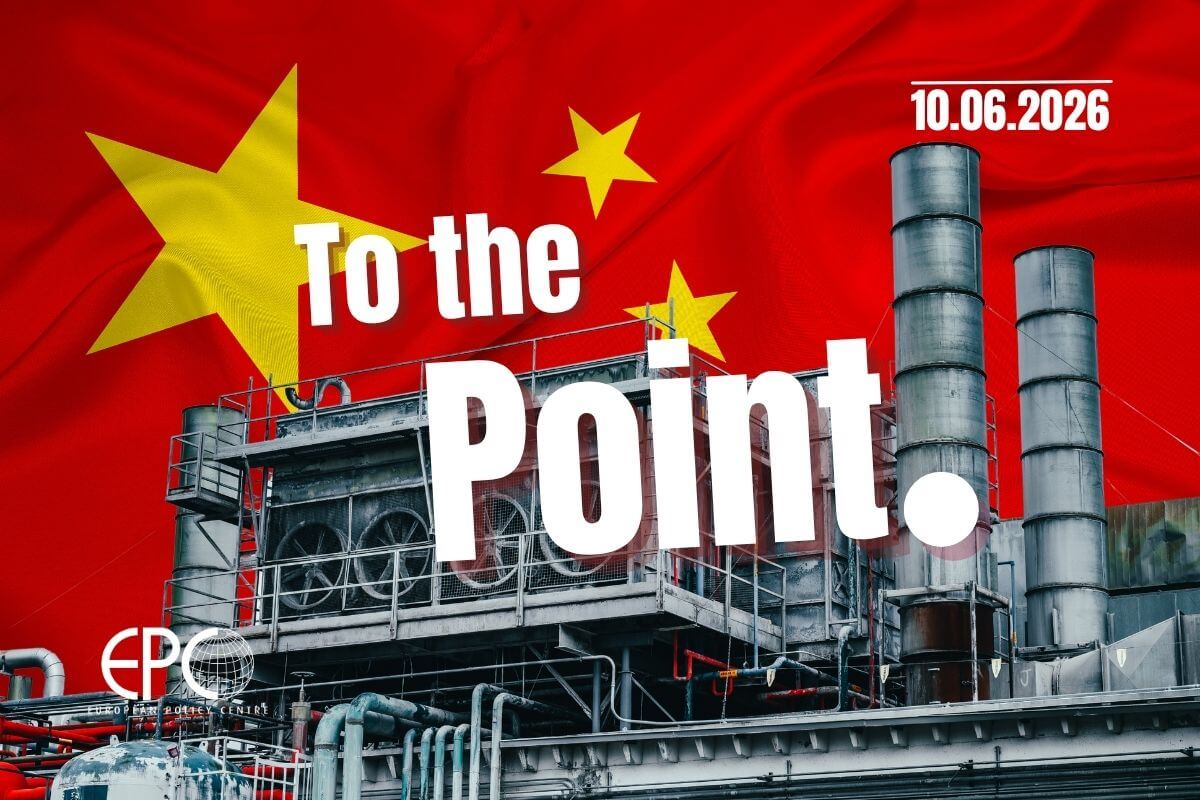

Europe's China debate has long been asking the wrong questions. Europe is now facing a China shock of historic proportions. European assessments identify 400 to 800 product categories exposed to Chinese overcapacity pressure: Steel, batteries, solar panels, electric vehicles, chemicals and machinery are all under severe strain. More sectors will follow.
The issue is not simply whether Chinese imports are too cheap or whether Europe is losing market share. The real question is whether Europe can remain prosperous, secure and politically autonomous if it loses the industries on which its future depends.
For decades, Europeans assumed that economic interdependence would make countries more cooperative and less likely to weaponise economic relationships. That assumption has collapsed. Dependence created vulnerability, and vulnerability invited coercion. Europe has seen this with Russian gas. China’s rare-earth restrictions and the Nexperia affair point to the same reality.
Europe’s problem is that neither Beijing nor Washington fully believes Europe has the resolve to use its economic weight. As Cold War strategist Thomas Schelling argued, deterrence is about shaping expectations. Power projection only works if others believe Europe is prepared to bear costs in defence of its interests.
Europe should therefore consider its own version of Section 301 of the US Trade Act as part of an economic security doctrine of reactive assertiveness. The purpose would not be protectionism, but credibility: an instrument allowing Europe to act quickly when vital interests are threatened. In addition to the political determination that a strategic threat exists, automatic triggers should form the ground for action.
China will retaliate. But there is a price to acting and a price to not acting. The greater risk is strategic dependency, industrial decline and the loss of Europe's freedom to act.
Georg Emil Riekeles is Associate Director at the European Policy Centre.
The support the European Policy Centre receives for its ongoing operations, or specifically for its publications, does not constitute an endorsement of their contents, which reflect the views of the author only. Supporters and partners cannot be held responsible for any use that may be made of the information contained therein.