

Frozen Russian Assets: Can €210 billion Help Fund Ukraine in 2027?

Ukraine is running out of financial breathing room. The question facing Europe is where the money comes from next — and whether Russia’s immobilised billions can provide part of the answer.
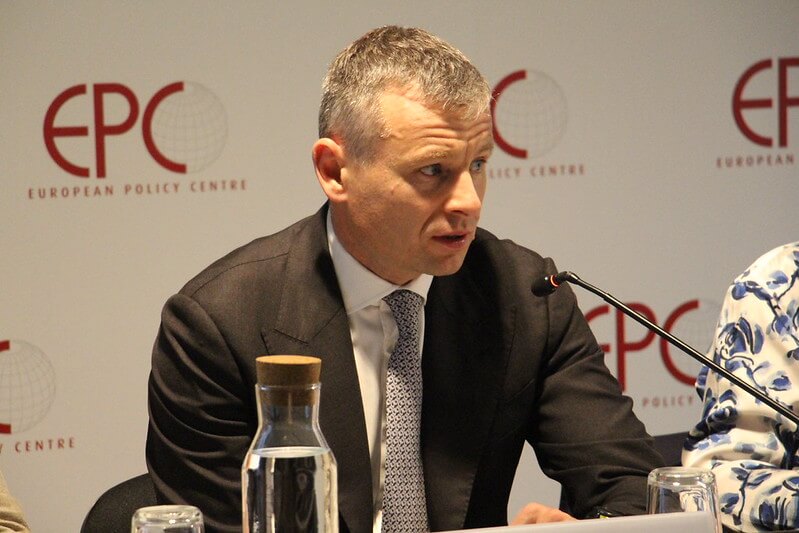
At an EPC Policy Dialogue on 28 September, moderated by Amanda Paul, Deputy Head of the Europe in the World Programme, Head of the Ukraine and Eurasia Team at the European Centre, Ukraine’s Finance Minister, Sergey Marchenko, warned that the country still faces an uncovered budget gap of $32.6 billion for 2027, alongside roughly $45 billion in additional military needs. The pressure comes as non-stop attacks continue to damage businesses and civilian infrastructure, while tax and customs revenues have begun to fall short of expectations due to non-stop attaks on civilian infrastructure.
“War is longer, war is harder,” Ukraine’s Minister said, calling on Ukraine’s partners to take “bold actions”.
One possible answer lies in the roughly €210 billion of immobilised Russian sovereign assets held in the EU, around €185 billion of which is at Euroclear in Belgium.
Financial journalist Hugo Dixon presented the “Russian Transfer”, a proposal to move Russian accounts, including both their assets and liabilities, from national custodians to an EU-level mechanism.
But Dixon was clear about its limits: the transfer itself would not send money to Ukraine. It would instead be a first step, designed in part to reduce Belgium’s exposure. A second element, described as “transfer protection”, would see the EU compensate institutions such as Euroclear if they suffered financial losses as a result.
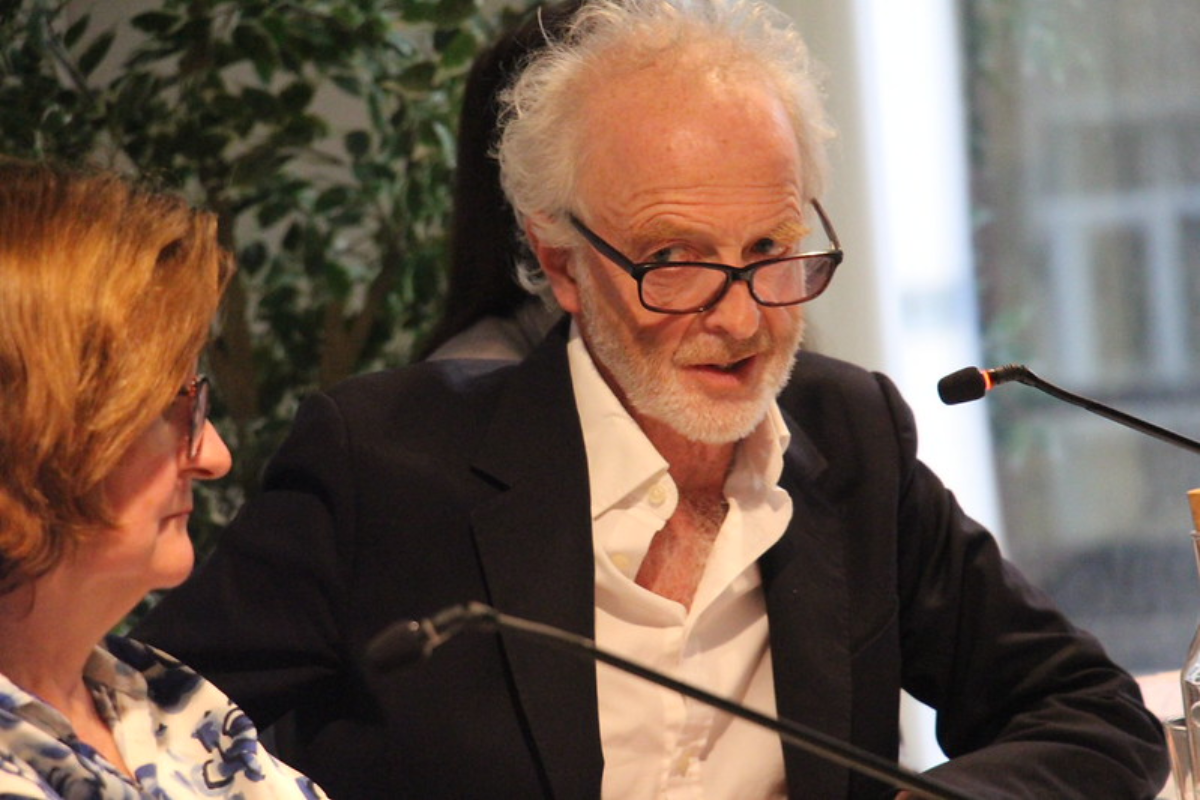
MEP Nathalie Loiseau backed moving forward while arguing that Belgium’s concerns should be taken seriously. She said support for using the assets was growing across political groups in the European Parliament, pointing to a recent letter signed by 122 MEPs.
Yet the discussion also exposed the risks.
KU Leuven’s financial engineering expert, Wim Schoutens warned that global investors could view the transfer as a form of economic confiscation, regardless of the EU’s legal interpretation. That perception, he argued, could gradually weaken confidence in the euro and European financial infrastructure.
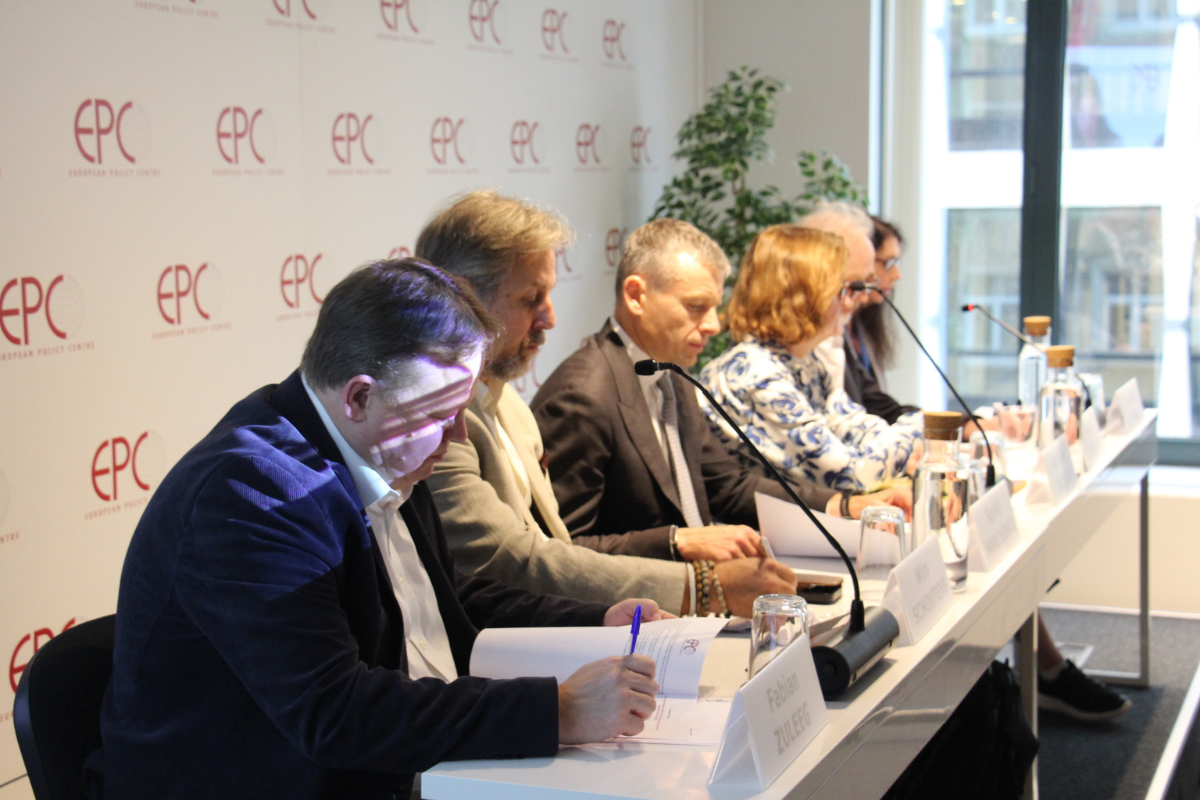
EPC Chief Executive Fabian Zuleeg said Russian assets could be useful but warned against treating them as the solution to Ukraine’s long-term financial needs. Even if fully mobilised, he argued, they would amount to a temporary fix.
Instead, Europe would ultimately need a permanent mechanism for supporting Ukraine — including, potentially, common European borrowing.
The argument over Russia’s frozen billions is therefore only part of a larger question: whether Europe is prepared to move from emergency financing to a long-term commitment to Ukraine.
Watch the full event recording below.
Marko Milutinović is a Communications Officer at the European Policy Centre
The support the European Policy Centre receives for its ongoing operations, or specifically for its publications, does not constitute an endorsement of their contents, which reflect the views of the authors only. Supporters and partners cannot be held responsible for any use that may be made of the information contained therein.