SHARE:


Post-Summit Briefing 2015-06-29
PAST
EVENT
EVENT
Jun 29, 2015
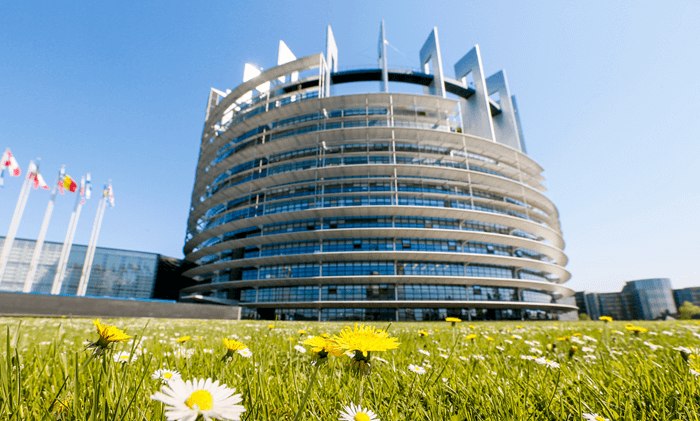
At the European Council Summit of 25-26 June 2015, heads of state and government came together to discuss the ongoing migration crisis in the Mediterranean, the upcoming EU referendum in the UK and, of course, Greece, which, at the end of the day, heavily dominated the agenda. At this Briefing, Matthias Krupa, Brussels correspondent for the German weekly Die Zeit and Janis A. Emmanouilidis, Director of Studies at the European Policy Centre talked about the issues addressed at the Summit, zoomed in on how the Greek crisishad unfolded in the previous weeks and days, and tried to cast a glimpe into the near future, into what would happen next.
The European Migration and Diversity (EMD) Programme provides independent expertise on European migration and asylum policies. The EMD Programme's analyses seek to contribute to sustainable and responsible policy solutions and are aimed at promoting a positive and constructive dialogue on migration and mobility.
The Programme follows the policy debate and conducts analysis taking a multidisciplinary approach, examining both the legal and political aspects shaping European migration policies. EMD analysts focus, amongst other topics, on the reform of the Common European Asylum System; the management of the EU’s external borders and the Schengen governance; cooperation with countries of origin and transit; the integration of beneficiaries of international protection and mobile persons into host societies; the links between migration and populism; the development of resettlement and legal pathways; and the EU''s free movement acquis. The EMD team benefits from a strong network of academics, NGO representatives and policymakers, who contribute regularly to publications and policy events.

The European Politics and Institutions Programme covers the EU’s institutional architecture, governance and policymaking to ensure that it can move forward and respond to the challenges of the 21st century democratically and effectively. It also monitors and analyses political developments at the EU level and in the member states, discussing the key questions of how to involve European citizens in the discussions over the Union’s future and how to win their support for European integration. The Programme has a special focus on enlargement policy towards the Western Balkans, questions of EU institutional reform and illiberal trends in European democracies.
The EPC’s Europe’s Political Economy Programme (EPE) focuses on EU economic governance, the single market, and digital, industrial, energy, trade, and economic security policies amid significant geo-economic and technological shifts. In a world of rising geopolitical competition and a fragmenting economy, the EPE has been at the forefront of research on Europe’s competitiveness agenda, the "triple" green, digital and economic security transitions and "wartime economy". The EPE's cross-programme flagship initiative, the Brussels Economic Security Forum, examines EU-US-China dynamics, changing international economic rules and statecraft, as well as related EU policy challenges. As fast-advancing components of economic security, critical emerging technologies in clean tech, semiconductor and AI value chains and quantum are priority areas of focus. Using its convening power and multistakeholder taskforce model, the Programme aims to provide in-depth analysis and actionable recommendations to tackle key policy challenges. The EPE team comprises a diverse group of analysts with backgrounds from government, the private sector, academia, and journalism, bringing a broad range of expertise to its work.

Coming next
Oct 07, 2026
14:30 - 15:30

Online

EU DEMOCRACY REFORM CONVERSATION
Oct 12, 2026
09.00 - 13.30

In Person
Dec 02, 2026
14:00-18:30
In Person
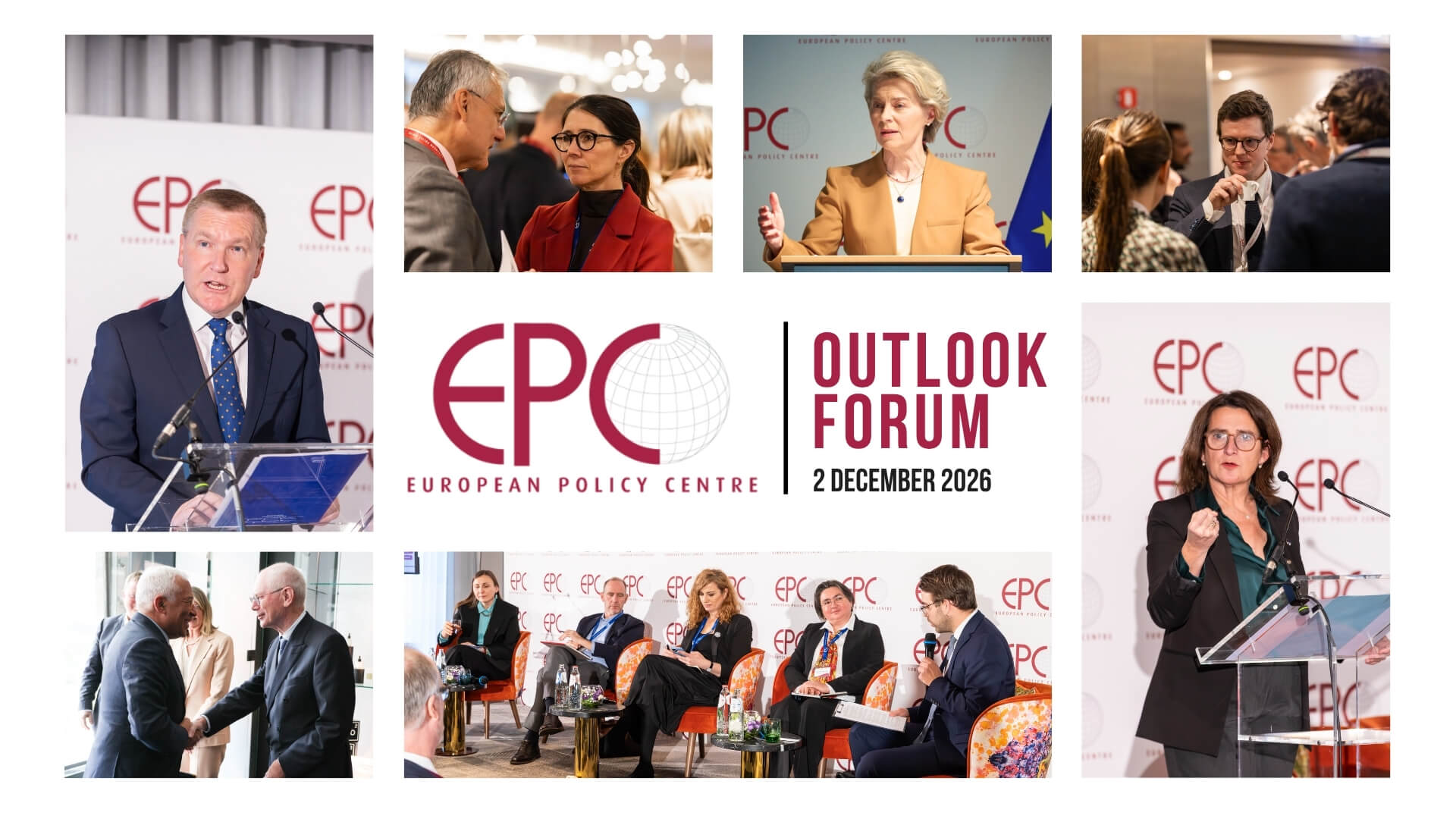
Inaugural EPC Outlook Forum