SHARE:


Towards a circular built environment: What role for the EU?
PAST
EVENT
EVENT
May 25, 2023
10:00 - 11:30
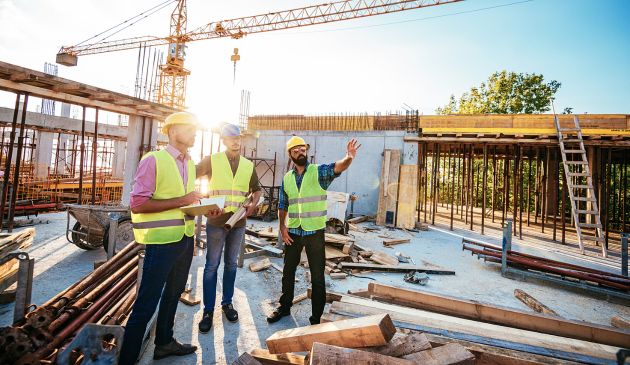
Every year, the construction industry extracts around 41 tonnes of raw materials worldwide, accounting for a quarter of global GHG emissions. Shifting to a circular built environment would contribute to reducing the EU’s import dependency on needed materials while also lessening embedded carbon emissions. This transition entails refurbishing old structures, designing new buildings with components that can be easily recovered after demolition, and using durable and recyclable materials. More nature-based solutions should also be applied when building houses, roads, and other infrastructure in Europe.
This Policy Dialogue looked at the state of play and prospects for transitioning to a circular built environment and considered the findings of the ‘BUS-GoCircular’ project on ways to address the circular skills gap. It assessed the role of the EU, including its policies, financial support, and convening power, in supporting the transition.
The discussion showed multiple environmental and socio-economic benefits of creating a circular built environment. However, there are important short-term challenges, such as costs and lack of skills, that need to be taken into account when making the transition to a circular built environment. While the EU is trying to develop the standards and invest in a circular built environment, there is a long road ahead. As the roles and responsibilities are divided between the EU and member states, they must work together with the industry and civil society to make the transition happen.
Moderator
Speakers
The Sustainable Prosperity for Europe (SPfE) Programme explores the foundations and drivers for achieving a sustainable, resilient and competitive European economy.
Prospering within the planetary boundaries requires rethinking our economic model, including our production and consumption patterns, as well as our energy, mobility and food systems. It requires addressing the climate emergency and environmental degradation, as well as becoming smarter with the resources we have. The transition to the world we want must bring both businesses and people along, if it is to succeed.
The Paris Agreement and the Sustainable Development Agenda provide the direction for travel globally and in Europe, and the SPfE Programme engages in a debate on the drivers and the means for achieving our goals. The Programme focuses on areas where working together across the EU can bring significant benefits to the member states, citizens and businesses and can ensure sustainable prosperity within the limits of this planet.

Coming next
Oct 28, 2026
14:00 - 15:30

Hybrid
Oct 29, 2026
11:00-12:30
Hybrid

Dec 02, 2026
14:00-18:30

In Person
Inaugural EPC Outlook Forum